
Prominence Energy Confirms Elevated Helium and Natural Hydrogen Anomalies at PEL 803
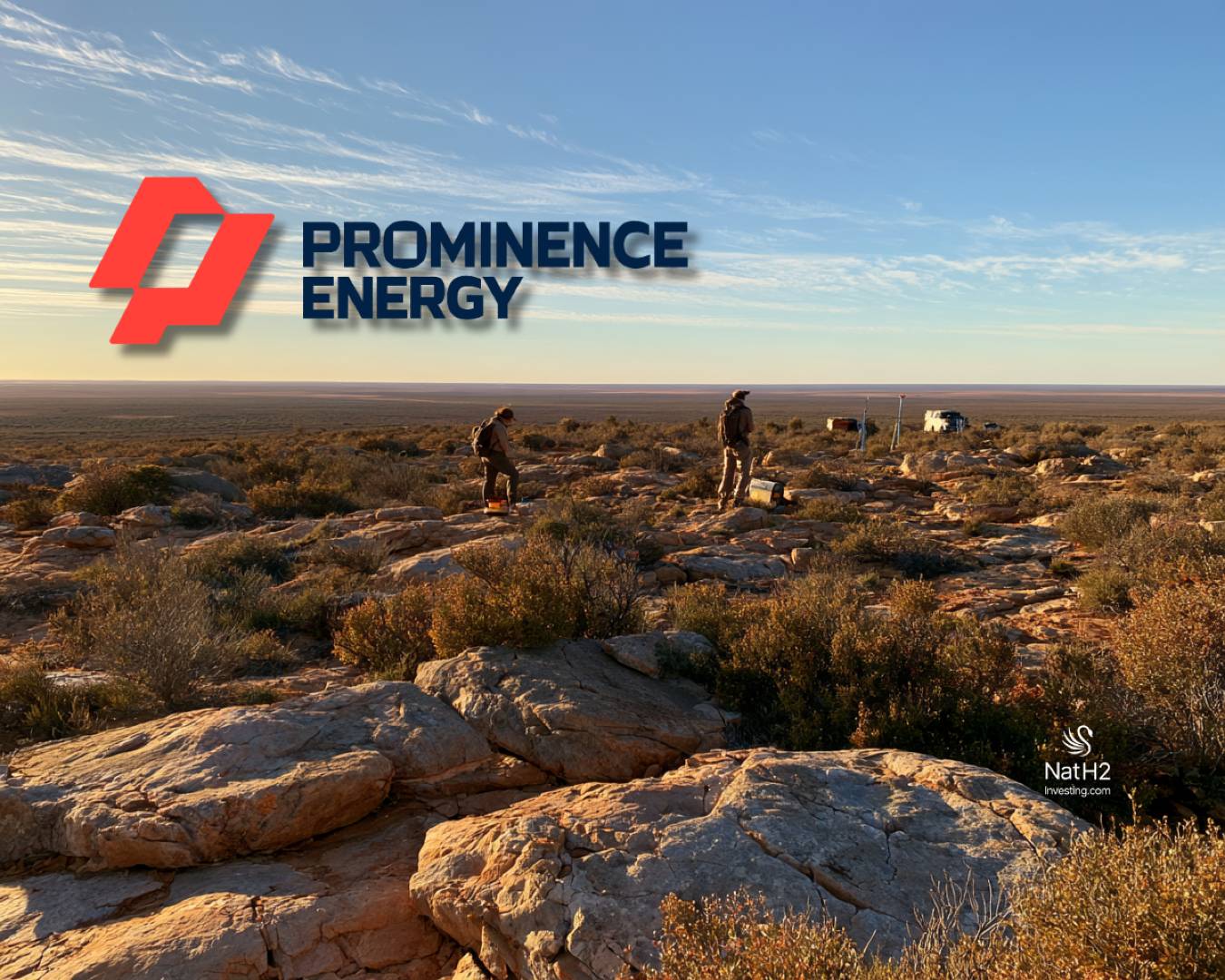
Prominence Energy has reported independent laboratory results confirming elevated concentrations of both helium and natural hydrogen across its PEL 803 exploration licence on South Australia's Eyre Peninsula, providing further support for the company's natural hydrogen exploration model.
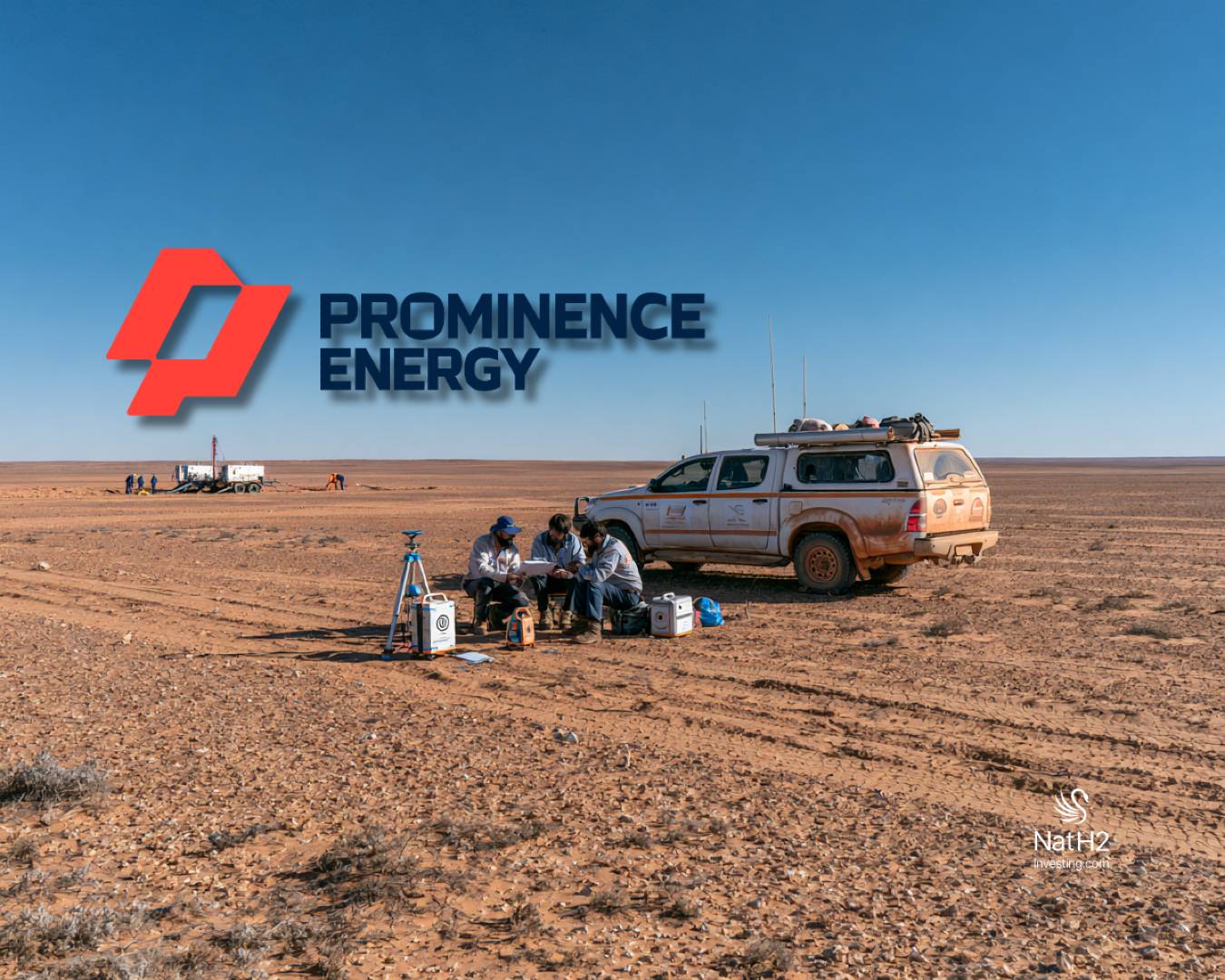
The laboratory analysis was conducted by Atherium Pty Ltd using gas chromatography on 63 soil gas samples collected during Prominence's recent soil gas survey. Unlike field measurements taken immediately after drilling, these samples were collected approximately 24 hours after probe installation during a recharge phase, which the company believes provides a more reliable indication of naturally migrating subsurface gases.
The highest hydrogen concentration recorded reached 3,427 parts per million (ppm), while helium concentrations reached up to 63 ppm. According to Prominence, hydrogen anomalies were identified in 64% of all samples analysed, indicating a widespread hydrogen system across the licence area.
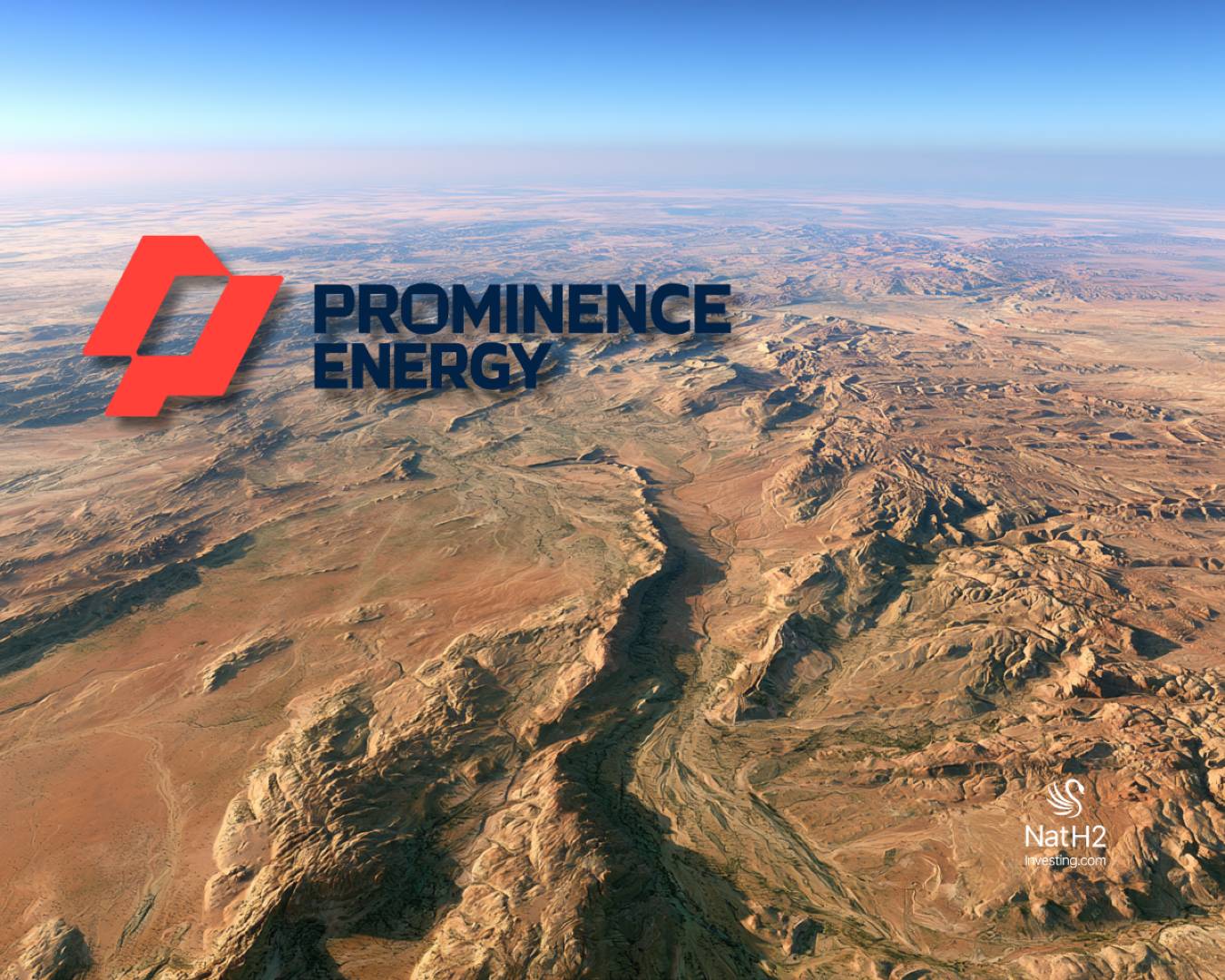
The company states that the laboratory-confirmed hydrogen anomalies are spatially associated with major interpreted geological structures and prospective Archean to Mesoproterozoic geological domains within PEL 803. The combined helium and hydrogen dataset is interpreted as supporting the presence of an active subsurface gas migration system linked to deep crustal structures and radiogenic basement rocks, including the Hiltaba Suite granites.
Prominence believes the results represent an important technical milestone as it advances the project toward seismic acquisition and eventual drill target generation. The next phase of work will involve integrating the geochemical data with gravity, magnetic, and structural datasets to define and rank priority exploration targets, identify locations for future seismic surveys, and mature the highest-priority prospects toward drilling.
Beyond PEL 803, the company noted that the data provides valuable calibration information for its broader Gawler Project, which covers approximately 64,000 square kilometres across South Australia and is prospective for natural hydrogen, helium, and associated gases.
Full press release can be found here.