Canadian Researchers Measure Sustained Natural Hydrogen Accumulation in the Canadian Shield
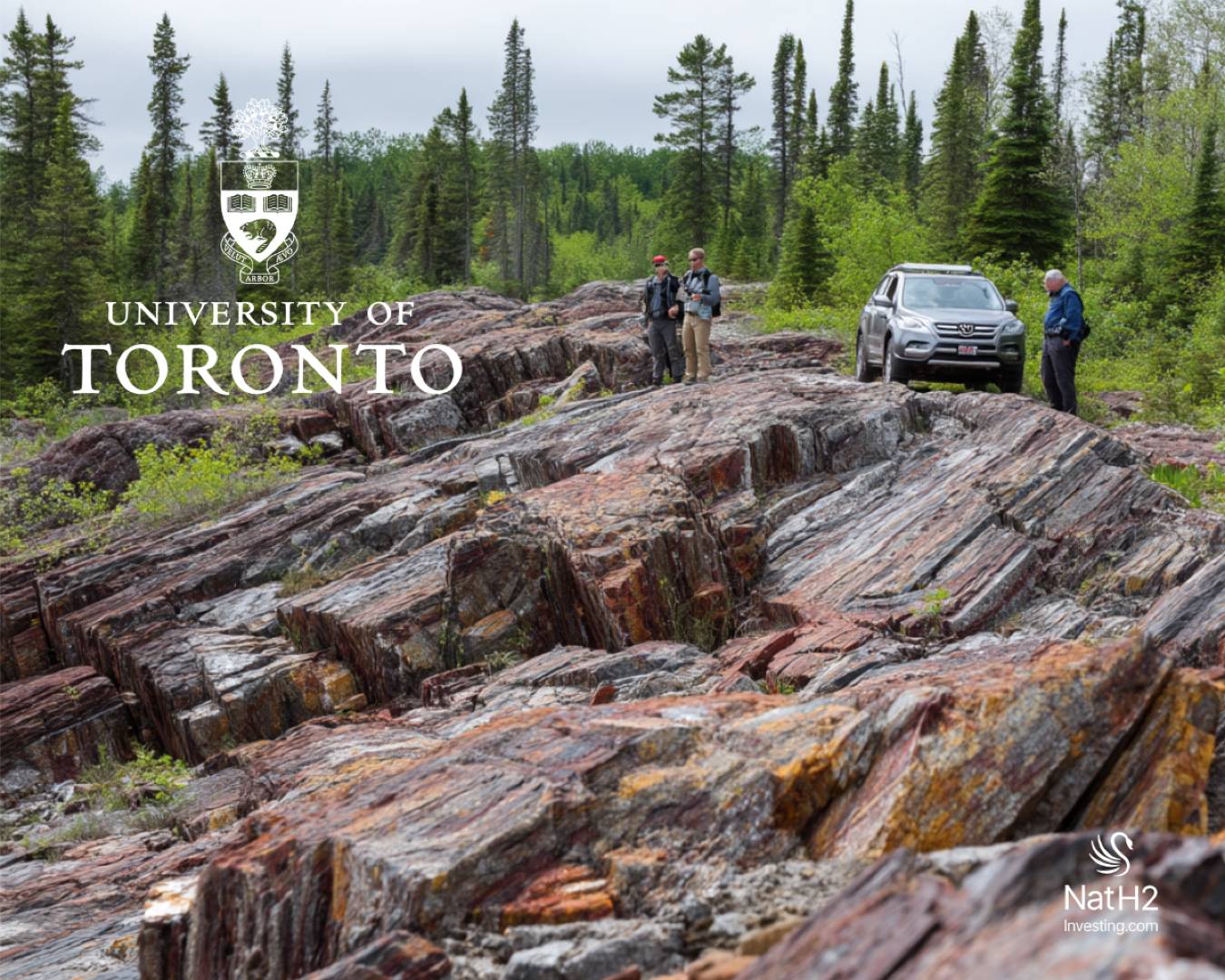
Researchers from the University of Toronto and the University of Ottawa have published one of the most detailed field-based studies to date on naturally occurring hydrogen within the Canadian Shield, providing direct measurements of sustained hydrogen accumulation and release from ancient crystalline rocks in northern Ontario.
The study, published in the Proceedings of the National Academy of Sciences, focused on an operating mine near Timmins, Ontario, where researchers monitored hydrogen discharging from boreholes drilled into billion-year-old rocks associated with the Canadian Shield. According to the research team, individual boreholes released an average of approximately 8 kilograms of hydrogen annually, with sustained discharge observed over periods exceeding 10 years.
Using extrapolated data from nearly 15,000 boreholes at the site, the researchers estimate that more than 140 metric tons of hydrogen could be naturally discharged per year from the broader area. The findings represent one of the clearest demonstrations yet that natural hydrogen can accumulate and persist over long periods within Earth’s crust.
The study adds important real-world data to the rapidly growing natural hydrogen sector, which until recently relied heavily on theoretical modelling rather than measured field observations. Researchers noted that natural hydrogen forms through chemical reactions between groundwater and iron-rich rocks deep underground, particularly through processes associated with ancient crystalline formations.
Importantly, many of the same geological environments prospective for natural hydrogen also host major Canadian mining districts containing nickel, copper, lithium, chromium, cobalt, helium, and diamond deposits. The researchers suggest this overlap could create opportunities for integrated resource development, where hydrogen production could support mining operations, regional industry, and northern communities while reducing reliance on transported hydrocarbon fuels.
The work also highlights the broader strategic importance of Canada’s geology in the emerging natural hydrogen sector. Large portions of the Canadian Shield across Ontario, Quebec, Nunavut, and the Northwest Territories contain the types of rocks considered favourable for long-term hydrogen generation.
While the study does not assess commercial production or reservoir flow rates, it provides some of the strongest empirical evidence so far that naturally generated hydrogen may represent a meaningful future energy resource if economic extraction methods can be developed.
Find the full article here.