Philippines and US Explore Natural Hydrogen Cooperation as Koloma Advances Luzon Exploration
The Philippines and the United States have discussed expanding cooperation on natural hydrogen as part of a broader energy security partnership, bringing the emerging geological energy resource into high-level bilateral discussions alongside nuclear power, liquefied natural gas and geothermal energy.
Philippine Energy Secretary Sharon Garin met US Energy Secretary Chris Wright in Washington, D.C., on October 15, 2026, to explore opportunities for strengthening energy supply security, developing domestic resources and expanding technical cooperation between the two countries.
The discussions covered several energy sectors, but the inclusion of natural hydrogen and Koloma's ongoing exploration activities in the Philippines is particularly relevant to the country's efforts to establish a new domestic resource industry.
According to the Philippine Department of Energy (DOE), the officials examined opportunities in geothermal energy and natural hydrogen, including the potential contribution of US-based Koloma's exploration program to the Philippines' long-term energy diversification.
The meeting did not produce a publicly announced natural hydrogen development agreement, new exploration contract or funding commitment. However, it places the resource within a wider government-to-government dialogue on energy security and indigenous energy development.
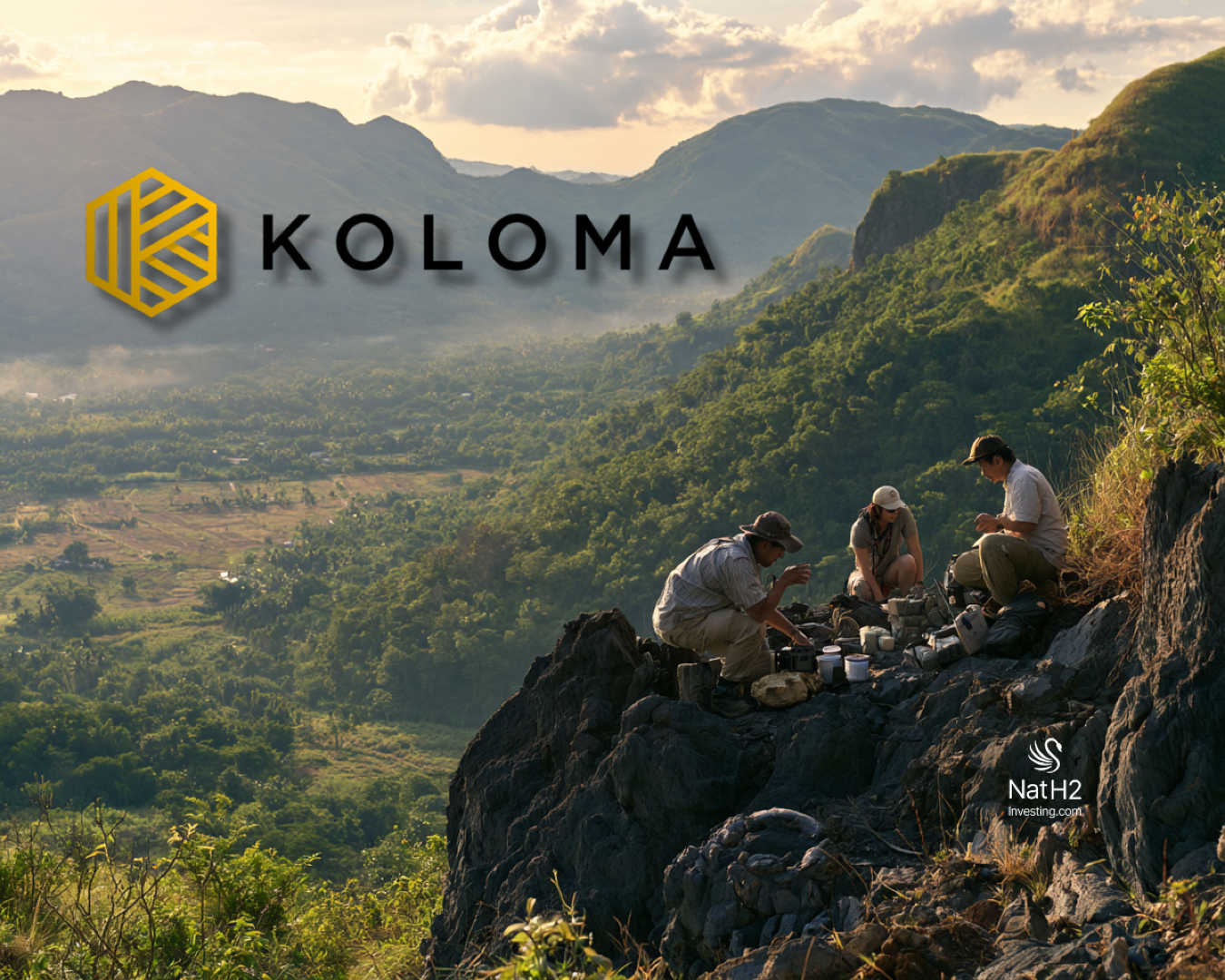
Koloma, headquartered in Denver, Colorado, is among the companies investigating naturally occurring hydrogen in the Philippines. Its exploration activities are focused on identifying geological environments that may support the generation and accumulation of hydrogen beneath the Earth's surface.
Unlike hydrogen manufactured through industrial processes, natural hydrogen is generated by geological mechanisms and may occur within subsurface formations. If commercially recoverable accumulations can be identified, it could potentially provide a domestic source of hydrogen without requiring the same production processes used for conventional manufactured hydrogen.
That possibility is attracting interest in the Philippines, where the government is looking to diversify energy supply and reduce exposure to international fuel market disruptions.
Garin emphasized that the country's priorities are secure, reliable and affordable energy, together with the development of indigenous resources and the technical capabilities needed to support long-term energy security.
For natural hydrogen, that creates a potential policy rationale extending beyond exploration alone. A commercially viable domestic resource could eventually contribute to industrial hydrogen supply or energy applications, although such uses would require substantial additional technical and economic evaluation.
The October 15 discussions are also relevant because the Philippines is already moving to establish a geological exploration base for natural hydrogen.
Koloma's activities in Luzon have brought increased attention to the country's subsurface hydrogen potential. Earlier DOE disclosures identified extensive geophysical surveying and exploration work in northern and western Luzon, including areas in Pangasinan and Zambales.
Those programs are intended to identify geological structures and prospective hydrogen-bearing formations that could warrant more detailed subsurface investigation.
Full press release can be found here [EXTERNAL].