Mantle8 Provides Update on 1,680 km² Natural Hydrogen and Helium Exploration Permits in Spain
Mantle8 has issued a detailed update on how it plans to carry out its Aralar natural hydrogen and helium exploration program across Navarra and the Basque Country, with a particular focus on transparency, local engagement and the limited scope of the work currently authorized.
The update relates to the Aralar I and Aralar II permits, which were granted on June 5, 2026, by Spain’s Ministry for the Ecological Transition and the Demographic Challenge through its Directorate-General for Energy Policy and Mines.
The permits themselves are not new.
What Mantle8 is now clarifying is what the one-year, renewable exploration program will actually involve, what local communities should expect to see, and what activities remain outside the scope of the current authorization.
Mantle8 says the permits cover only non-invasive, surface-level scientific work across approximately 1,680 km² of the southern Pyrenees.
Authorized activities include geological mapping, soil-gas sampling, water and rock sampling and passive seismic monitoring.
They do not authorize drilling, industrial extraction, the construction of new access roads or any permanent infrastructure.
That distinction is central to the company’s latest communication as it prepares to begin field activities in an environmentally and culturally sensitive part of northern Spain.
The Aralar massif contains significant karst terrain, groundwater systems and aquifers, while also holding cultural importance for communities across Navarra and the Basque Country.
Mantle8 says its current work will remain entirely at surface and will involve no hydraulic fracturing, chemical injection or freshwater consumption.
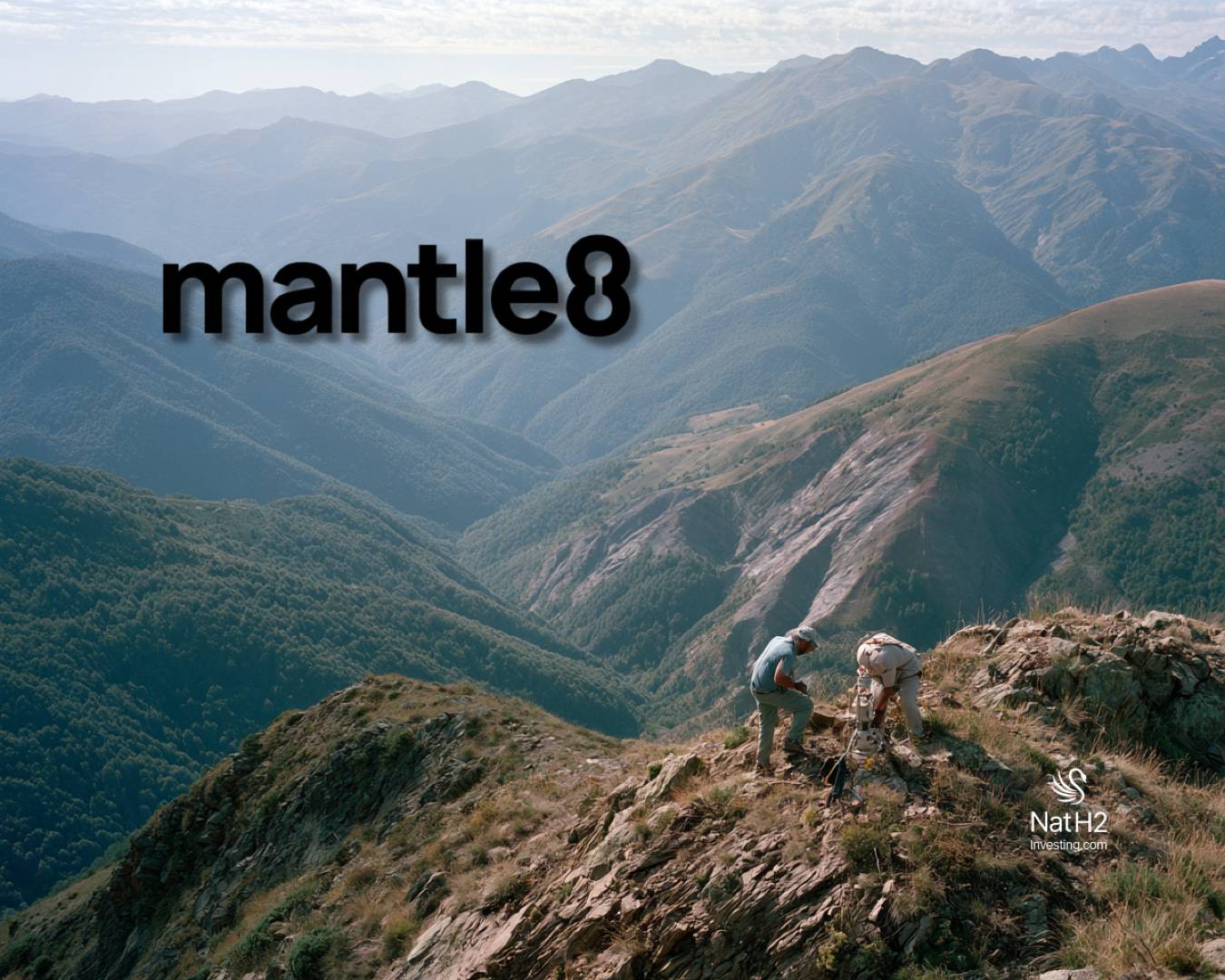
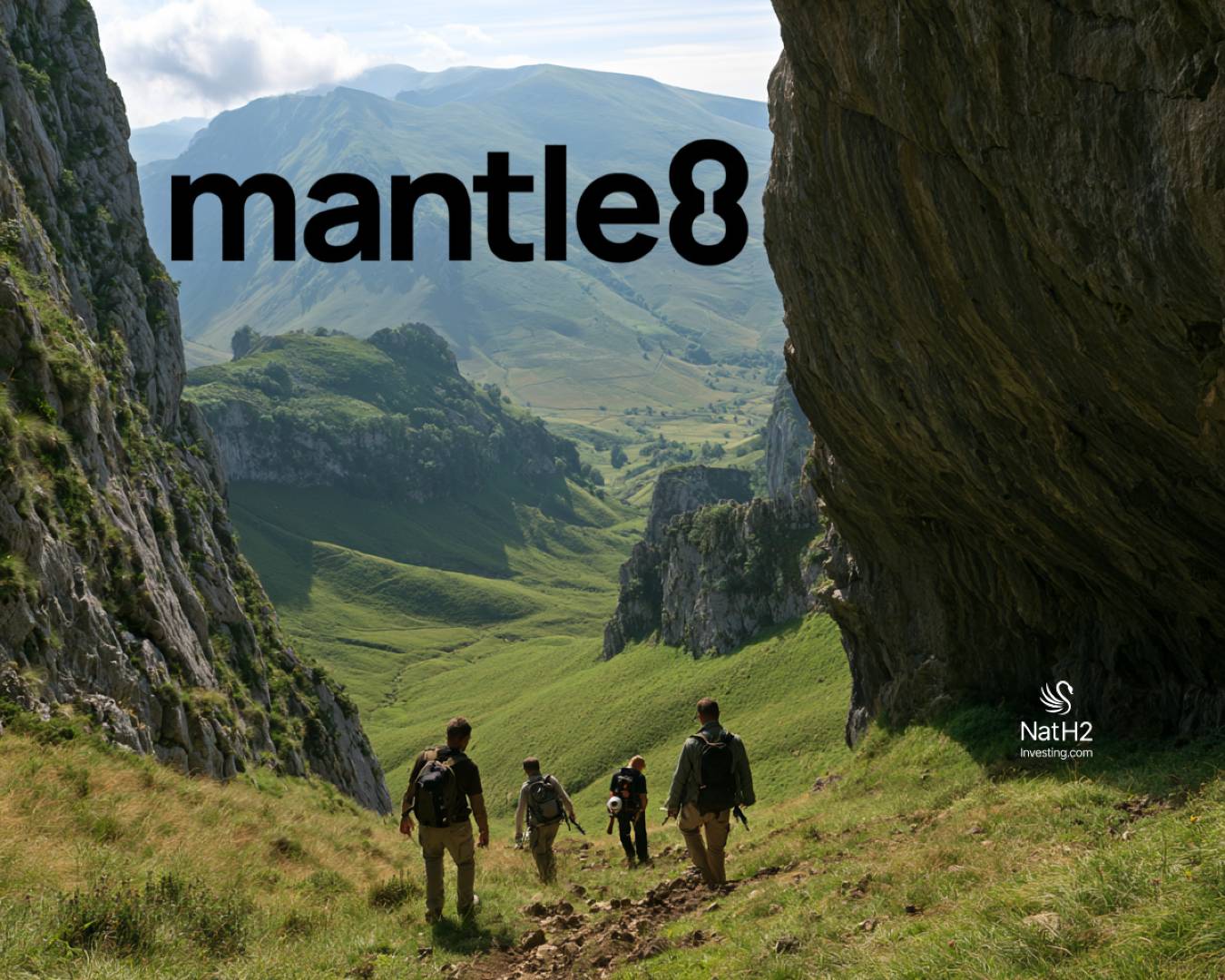
Small teams of geologists and geophysicists are expected to move through the area largely on foot, using existing tracks and portable equipment to collect samples, map geology and install passive monitoring equipment where appropriate.
The company is also placing greater emphasis on communication with municipalities, communal land-management bodies, landowners and other local stakeholders before field activities begin.
Mantle8 plans to hold face-to-face meetings with relevant local authorities to explain where and when work will take place, what equipment will be used and how the company intends to minimize its environmental footprint.
Where fixed sensors are proposed, the company says it will discuss locations directly with the relevant authorities and landowners and obtain any additional permissions required before installation.
Mantle8 also plans to establish a dedicated contact channel and online Q&A for residents, livestock farmers, hikers and local institutions seeking information about the program.
From a technical perspective, the next phase will combine existing geological and geophysical datasets with new surface observations and measurements to identify areas that may warrant further investigation for naturally occurring hydrogen and helium.
The company says findings will be reported to the relevant authorities regardless of whether results are positive or negative.
Importantly, the current permits do not allow Mantle8 to move directly from encouraging surface results into drilling or production.
Under Spanish mining law, exploration, investigation and exploitation are separate regulatory stages.
Any progression beyond the currently authorized scientific program would therefore require additional approvals, and Mantle8 says it has not applied for permission to drill or extract hydrogen or helium.
For now, the Aralar update is primarily about setting expectations.
Mantle8 is preparing to begin a large-scale, surface-based scientific exploration program across 1,680 km² of the southern Pyrenees, while making clear to local communities that the current phase is limited to mapping, sampling and passive monitoring rather than intrusive subsurface work.
Full press release can be found below:
Grenoble, France – 25 August 2026
On 5 June 2026, Mantle8 was granted the Aralar I and Aralar II exploration permits by y the Spanish Ministry for the Ecological Transition and the Demographic Challenge, through its Directorate-General for Energy Policy and Mines, authorising a one-year, renewable scientific research program across 1,680 km² of the southern Pyrenees. In line with our core corporate values, Mantle8 is fully committed to providing clear, factual and proactive information about the project’s scope to the communities, municipalities and institutional partners of Navarra and the Basque Country. Our goal is to maintain complete transparency, ensuring all local stakeholders understand that these permits cover purely non-invasive geological mapping, sampling, and passive monitoring – entirely separate from any future industrial activity.
Who We Are
Mantle8 is a French geoscience company specialising in the exploration of natural (white) hydrogen and helium. We operate in Spain through our local entity, Mantle8 Iberia. We are a scientific exploration company.
What the Permits Authorise
The permits granted by we have secured authorise a one-year, renewable scientific research programme covering about 1,680 km² across Navarra and the Basque Country.
The authorisation is limited exclusively to surface-level, non-invasive work: geological mapping, soil-gas, water and rock sampling, and passive seismic monitoring. These permits do not authorise drilling, industrial extraction, the construction of new access roads or any permanent infrastructure.
Exploration and extraction are entirely separate legal processes and any future extraction phase would require separate authorisations, and compliance with the applicable environmental, sectoral and local permitting requirements. None of these have been requested or granted.
Protection of Water, Karst and the Environment
Mantle8 recognises the ecological sensitivity and unique karstic nature of the Aralar massif, including the local groundwater and aquifers, which are critical regional resources. Our scientific survey work only happens at the surface and involves no hydraulic fracturing, no chemical injections and no freshwater consumption. Field teams will use portable, lightweight, passive equipment on existing tracks. We will not alter the ground or intervene with local aquifers in any capacity. We will operate within the limits set by the permit and by protected-area regulation.
Respect for Aralar’s Cultural Identity
We recognise that Aralar, including landmarks such as the San Miguel de Aralar sanctuary, holds profound cultural and symbolic weight for the Basque and Navarrese identity. Our presence will be respectful, comprising of small teams of geologists will move through the terrain with minimal impact, respecting the natural and cultural heritage of the area.
Commitment to Municipalities and Transparency
Following the official administrative publication of the permits, Mantle8 will now start reaching out to the local town councils (Ayuntamientos) and relevant communal land-management bodies in the areas where fieldwork is planned, to schedule face-to-face meetings. The purpose of these meetings is to explain what the permits authorise, what scientific fieldwork will look like on the ground and who to contact from Mantle8.
We view local authorities as essential partners. We intend to engage with municipalities, explaining the scope and nature of our scientific work, the location and timings of our activities, and how we will ensure the protection of the local environment. Where specific local permissions are required, we will obtain them before carrying out the relevant activity.
Next Steps
Over the coming months, Mantle8 will:
- Continue desk-based studies, compiling and analysing existing geological and geophsyical data to guide where field investigations are required.
- Begin face-to-face engagement with municipalities and relevant communal land-management bodies in areas where fieldwork is planned, ahead of relevant activities.
- Begin non-invasive scientific fieldwork, consisting of geological mapping, soil-gas sampling and passive seismic monitoring carried out by small teams on foot using existing tracks
- Discuss the precise locations for any fixed sensors directly with the relevant local authorities and landowners, and obtain any permissions required before installation.
- Launch a dedicated contact channel and Q&A section on our website so that residents, livestock farmers, hikers and local institutions can access up-to-date information on the project and raise questions directly
- Report findings to the competent authorities as required by the permit conditions, regardless of whether results are positive or negative
Under Spanish mining law, exploration, investigation and exploitation are distinct stages, subject to separate authorisations and requirements. A positive exploration result does not authorise Mantle8 to proceed directly to drilling or extraction. If the results justified progressing beyond the activities authorised under the current exploration permits, Mantle8 would first need to obtain the relevant additional authorisations before carrying out any such activities. No such application has been made.
Residents can expect to see a small number of geologists and geophysicists with backpacks walking the terrain, observing rocks and collecting samples. They should not expect drilling, new roads or any extraction activity.
For enquiries, technical documentation or media requests, please contact iberia@mantle8.com.