Indonesia Calls on Universities to Drive Natural Hydrogen Research and Innovation
Indonesia's Deputy Minister of Higher Education, Science and Technology, Stella Christie, has urged the country's universities to take a central role in developing Indonesia's emerging hydrogen industry, positioning academic research as a key driver of innovation, resource discovery and future commercial development.
Speaking during the Global Hydrogen Ecosystem Summit (GHES) 2026 in Jakarta, Christie said universities must evolve beyond their traditional education role and become active contributors to the technologies and scientific knowledge needed to support Indonesia's energy transition.
Highlighting the economic potential of academic research, Christie referenced the discovery of a major natural hydrogen accumulation in France's Moselle region by researchers from the GeoRessources Laboratory, a joint research centre operated by the University of Lorraine and France's National Centre for Scientific Research (CNRS). The discovery, made while researchers were investigating methane, has become one of the most widely cited examples of the growing commercial interest in naturally occurring hydrogen.
Christie said the French discovery demonstrates how university-led research can produce breakthroughs with significant economic implications and argued that closer collaboration between academia, government and industry will be essential as Indonesia develops its own hydrogen ecosystem.
She also outlined the growing international interest in natural hydrogen as a potentially low-emission and cost-competitive energy source. Unlike hydrogen produced through conventional fossil fuel pathways or electrolysis, naturally occurring hydrogen has the potential to provide a lower-carbon supply where suitable geological accumulations exist.
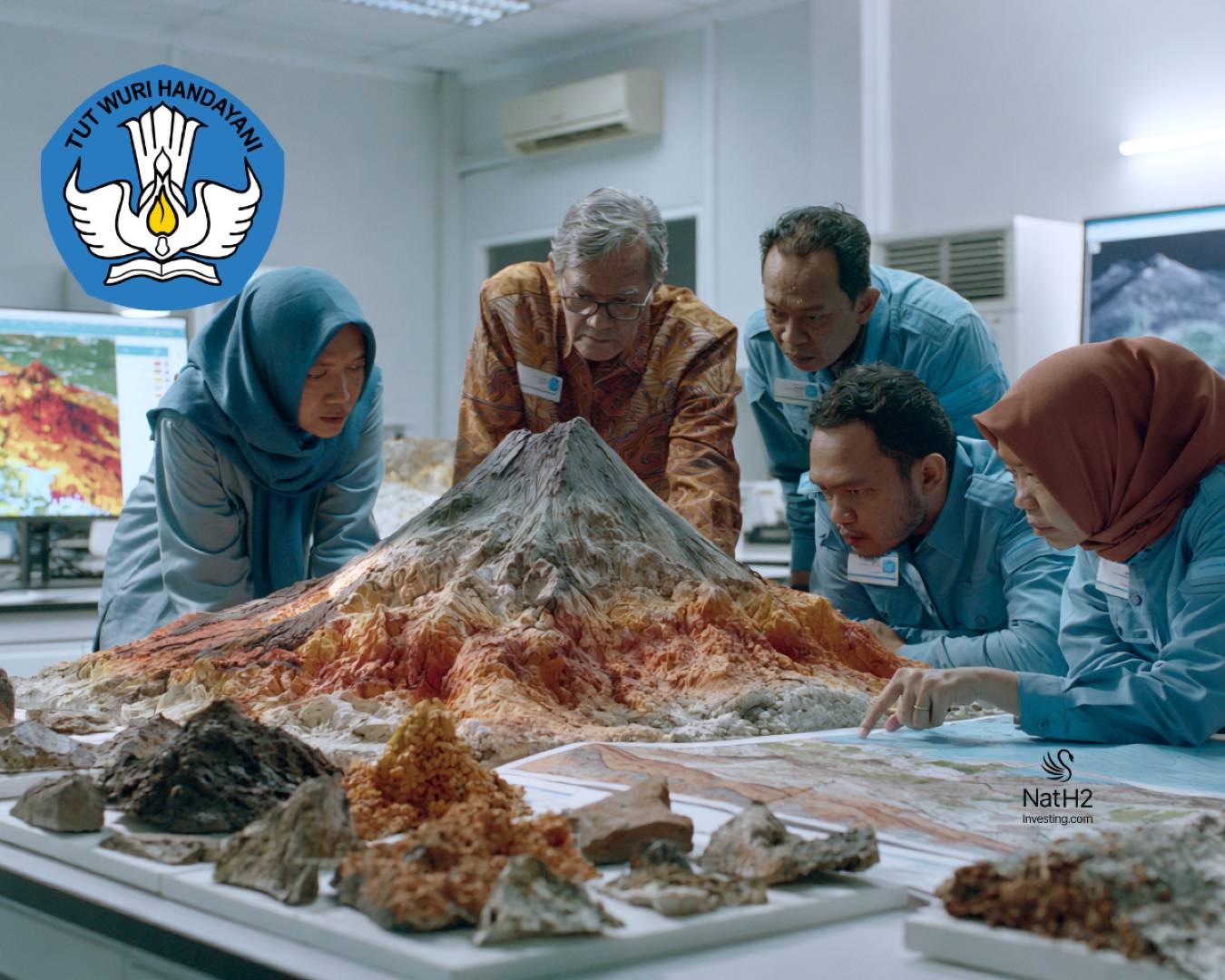
According to Christie, Indonesia possesses several geological characteristics associated with natural hydrogen prospectivity, including extensive volcanic systems, geothermal resources and former coal mining regions in Kalimantan and Sumatra. She noted that preliminary studies conducted over the past three years have identified encouraging indications of natural hydrogen potential, although further geological surveys and scientific investigation will be required to evaluate the size and commercial significance of any resources.
Full press release can be found here [EXTERNAL].