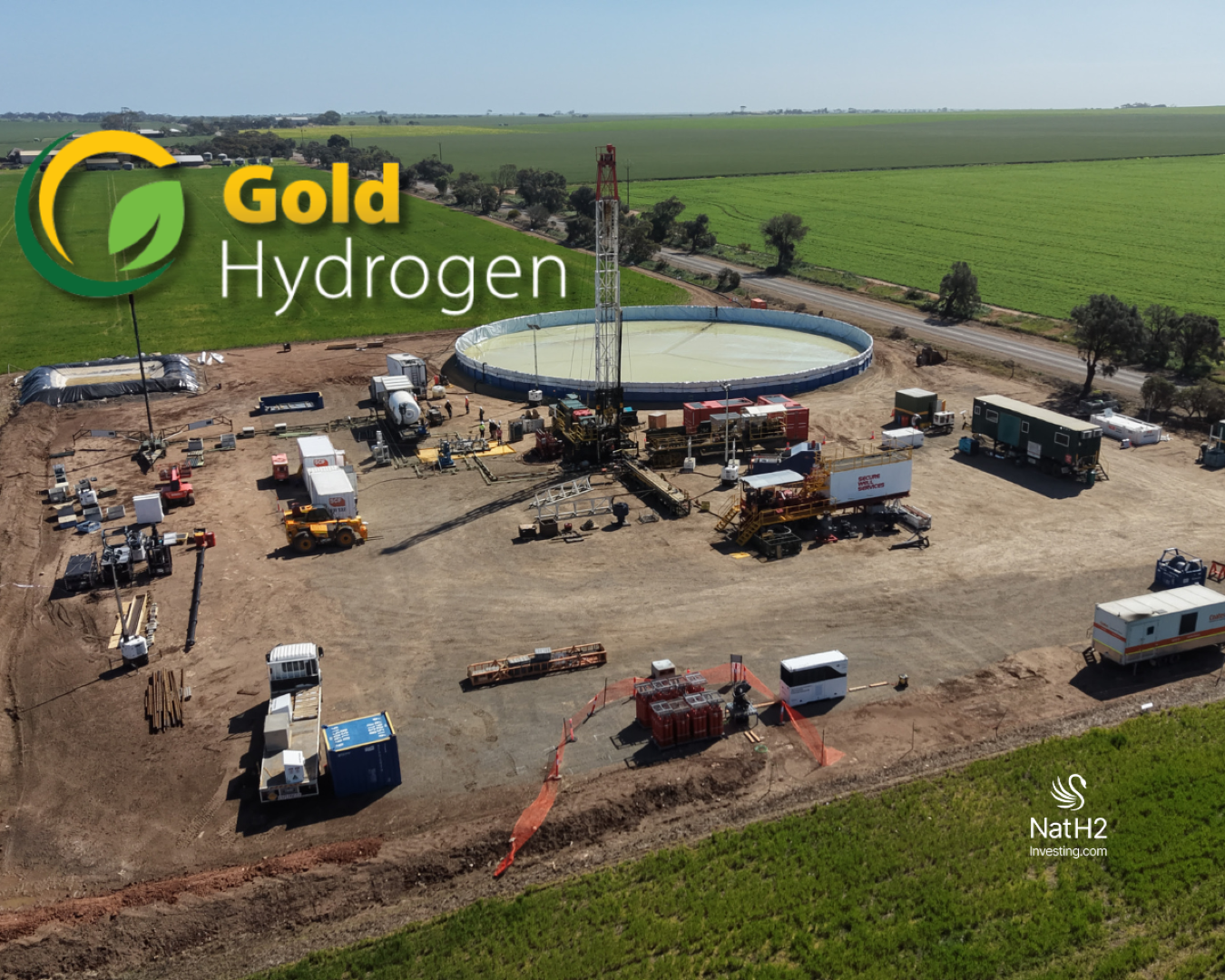
Gold Hydrogen Completes Ramsay Helium Testing as 14,000 bbl/day Well Performance Advances Development Plans
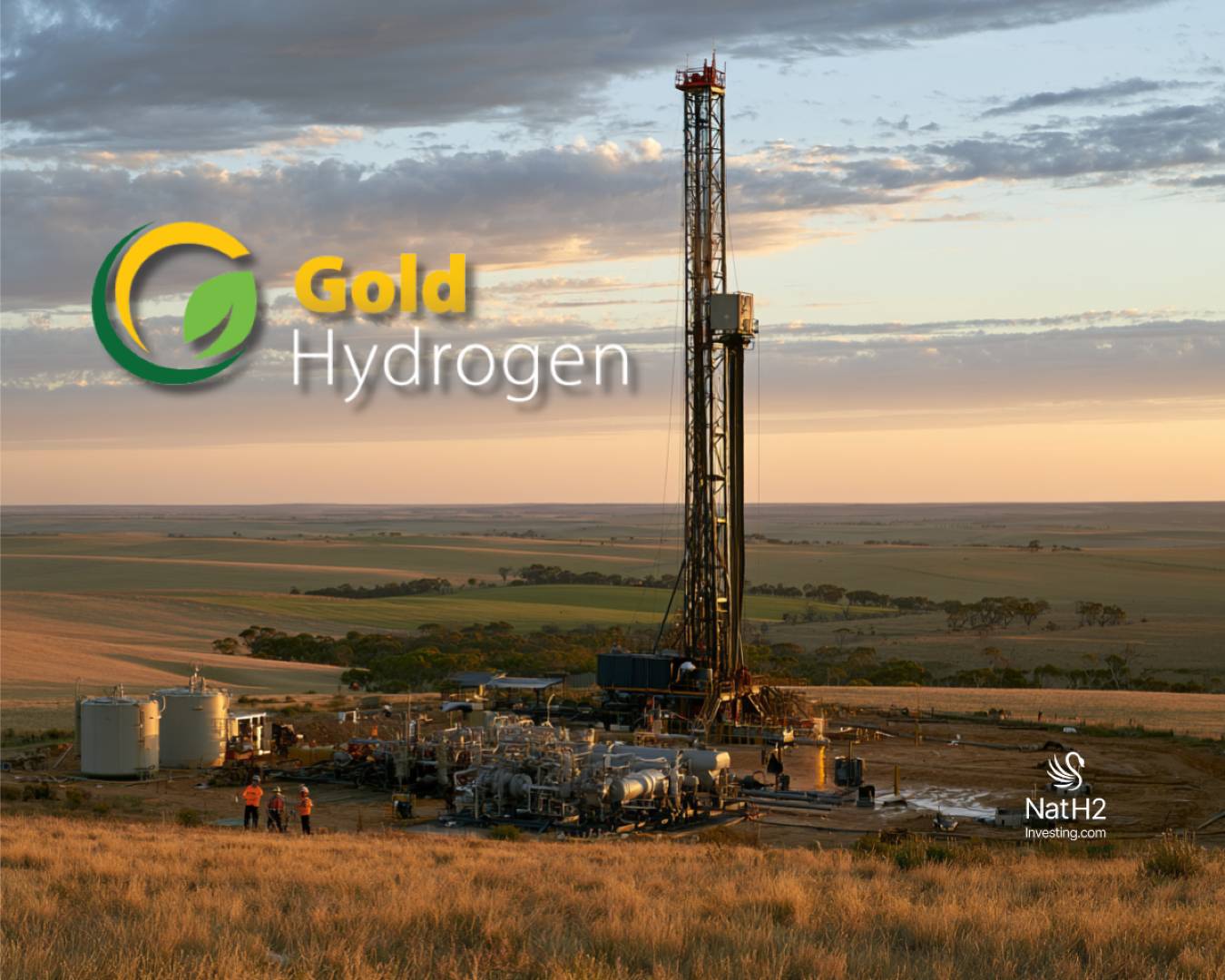
Gold Hydrogen Limited (ASX: GHY) has completed its 2026 helium flow-testing campaign across three wells at the Ramsay Project in South Australia's Yorke Peninsula, reporting improved reservoir performance, helium concentrations averaging approximately 15.2% and new modelling that supports further evaluation of a potential commercial development.
The October 20 announcement marks the completion of helium testing at Ramsay 1, Ramsay 2 and Ramsay 3 within three months. The campaign demonstrated helium flow to surface from the Kulpara Dolomite, confirmed the presence of a productive helium-bearing formation across approximately 2.2 kilometres and generated additional reservoir data for engineering and resource assessment.
The latest operational result comes from Ramsay 3, where Phase 2 testing achieved a maximum gross fluid production rate of approximately 14,000 barrels per day, compared with the 13,000 bbl/day recorded during Phase 1.
That represents the highest pumping rate achieved at Ramsay and approximately seven times the rates demonstrated at the earlier Ramsay 1 and Ramsay 2 wells.
Importantly, the 14,000 bbl/day figure refers to formation fluid production, predominantly water carrying dissolved gas, rather than a helium gas flow rate. At Ramsay, helium is released from solution when the produced formation water reaches surface separation equipment.
The volume of helium potentially recovered therefore depends on several factors: the amount of water produced, the gas-to-water ratio and the helium concentration within the separated gas stream.
Ramsay 3's Phase 2 program ran from October 5 to October 8, with an electric submersible pump repositioned to approximately 366 metres depth within the well configuration. The stepped-rate testing achieved the maximum gross fluid rate with an implied pressure drawdown of approximately 350 psi.
The results were consistent with a calculated Productivity Index of approximately 40 bbl/day/psi, the highest reported at the project. Ramsay 1 and Ramsay 2 have previously demonstrated productivity indices of up to approximately 34 bbl/day/psi.
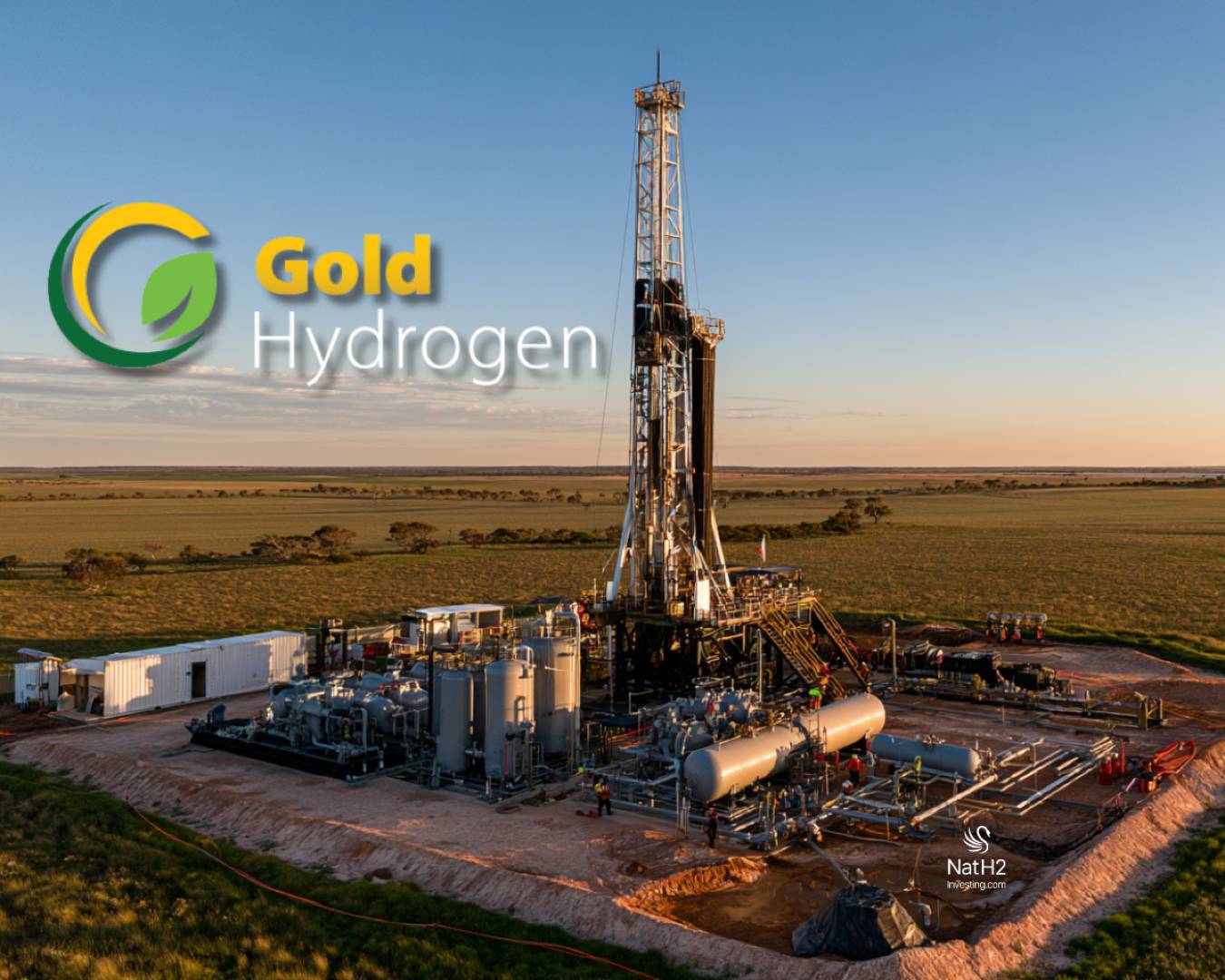
Ramsay 3 was specifically designed to test larger-scale production performance. Its seven-inch cased and perforated completion provides approximately 2.3 times the wellbore cross-sectional area of the earlier wells and accommodates an electric submersible pump rated for up to 20,000 bbl/day.
Although Gold Hydrogen considers that further optimization could allow pumping rates to approach 20,000 bbl/day, that rate has not yet been demonstrated during testing. The company's higher unconstrained well-potential estimates are also modelled rather than observed production results.
The completed campaign provides the first consolidated assessment of helium performance across the three tested wells.
Ramsay 1 recorded a stabilized air-corrected helium concentration of approximately 19%, while Ramsay 2 recorded approximately 20% from the Kulpara Dolomite.
At Ramsay 3, concentrations reached 12.6%, with a stabilized air-corrected concentration of approximately 6.5%.
The arithmetic average of the three stabilized concentrations is approximately 15.2%. This is a project-wide average of individual well results, not a uniform concentration measured throughout the reservoir.
The difference between the wells is relevant to development planning because helium output will depend on both local gas composition and the production characteristics of each well.
Gold Hydrogen has also updated its preliminary gas production modelling using the combined results.
On a project-wide basis, the company estimates helium gas-rate potential of up to approximately 37,000 standard cubic feet per day per well under its higher-rate development scenario.
That compares with approximately 27,000 standard cubic feet per day per well in the development case previously identified by independent engineering consultant Worley as potentially commercially viable.
The new estimate is approximately 37% higher than Worley's reference case.
Beyond pumping performance, the campaign demonstrated several operational elements relevant to a future helium project.
Helium was brought to surface and separated at all three wells, supporting Gold Hydrogen's interpretation of continuity within the Kulpara Dolomite across the tested area.
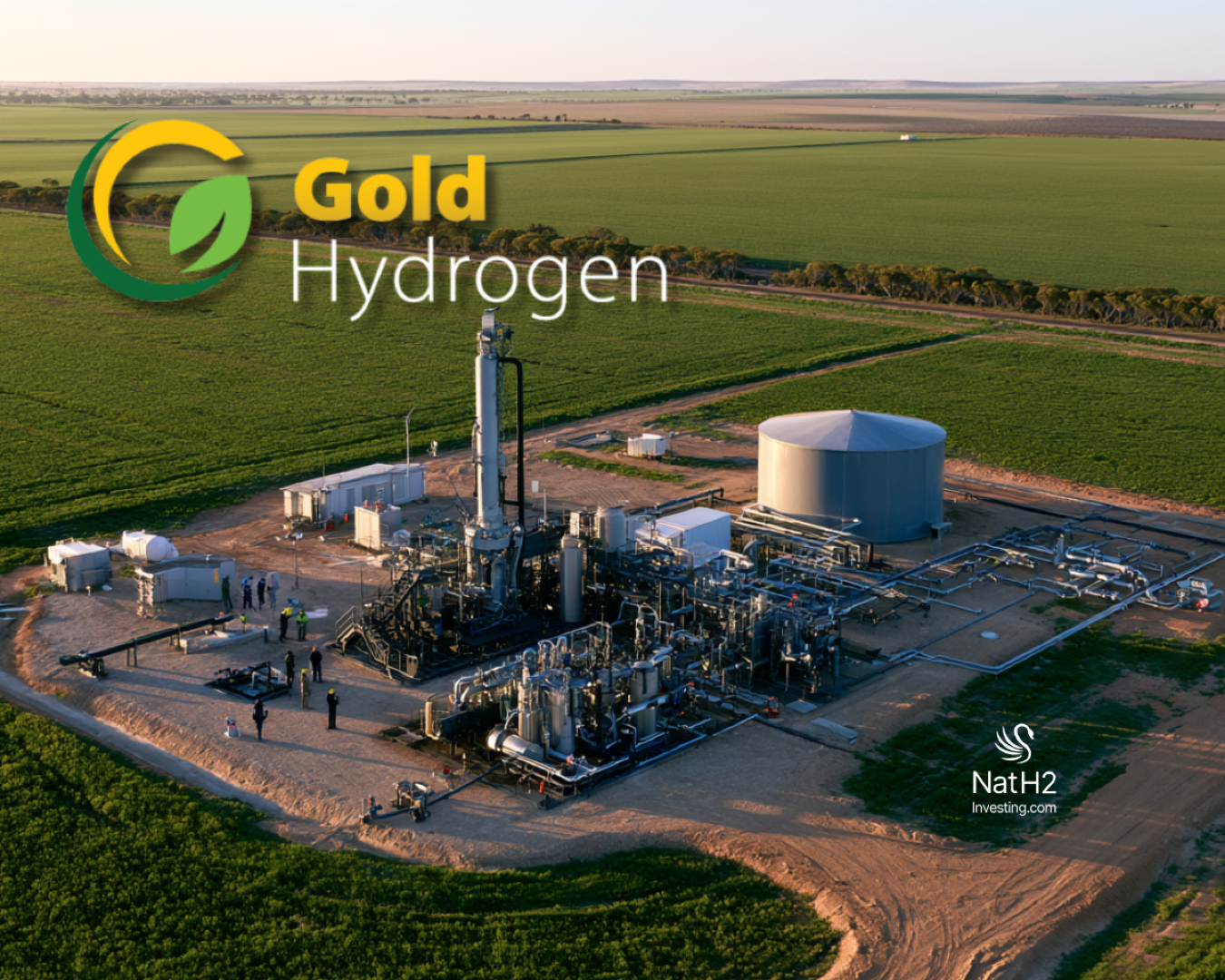
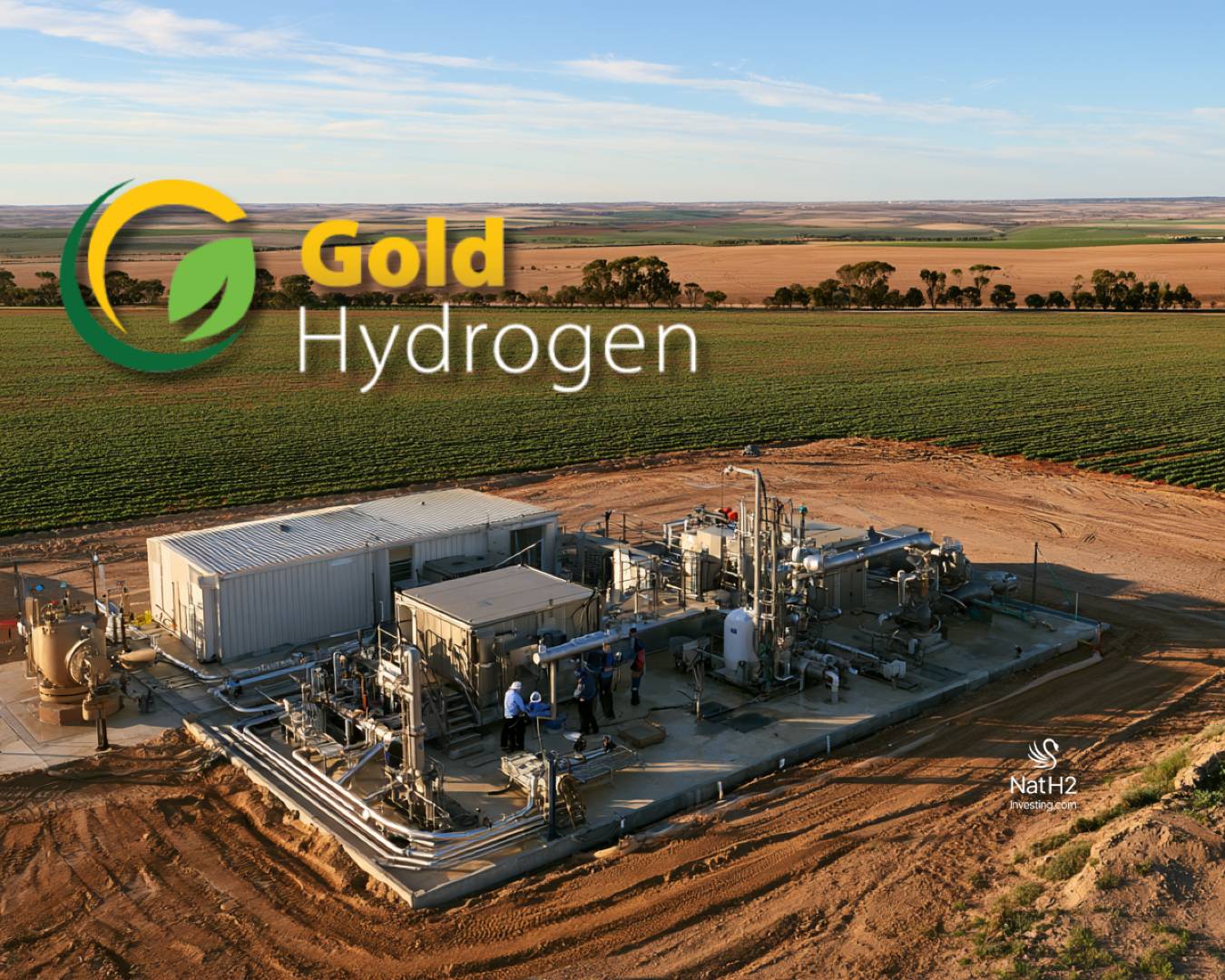
At Ramsay 1, a membrane separation system supplied by Quantum Technology Corporation increased the helium concentration of a raw gas stream from 5.6% to 50.5%, before air correction. The recovered helium was subsequently bottled onsite.
Gold Hydrogen describes this as the first helium bottled in Australia since the closure of the Darwin helium plant in late 2023.
The demonstration is important because it connects subsurface production testing with an initial processing route. However, the field demonstration did not establish continuous commercial-grade helium production.
The company is now accelerating plans for a staged, modular helium pilot development intended to make use of existing wells and reduce the need for extensive new infrastructure.
Under the preliminary concept, Ramsay 2 and Ramsay 3 could serve as helium producers, with Ramsay 4 also being evaluated for production. An additional Ramsay 5 development well remains a possibility.
Ramsay 1, which was used for water reinjection during the 2026 campaign, is expected to continue serving that function.
The proposed processing facility would combine membrane separation with pressure-swing adsorption to produce helium at approximately 99% purity. Gold Hydrogen says vendor design and cost estimates for a modular plant have already been developed with Quantum Technology.
This approach would allow the company to evaluate a smaller initial development rather than committing immediately to a larger centralized processing facility.
Worley's earlier independent assessment indicated that a potentially commercial helium project could be developed using as few as two wells, subject to further technical, economic and commercial evaluation.
Gold Hydrogen intends to use the latest flow-test results to refine that development scenario, advance engineering and continue discussions with potential technology, offtake and distribution partners.
An important near-term milestone is the company's planned maiden Contingent Resource assessment, targeted for November 2026.
Full press release can be found here.