
First Atlas Launches 8-Kilometre Seismic Survey and Expands Nova Scotia Hydrogen Position by 704 Claims
First Atlas Resources is moving its Nova Scotia natural hydrogen program from surface geochemistry toward subsurface structural imaging, engaging Echo Seismic to acquire an approximately 8-kilometre 2D seismic line over an area where previous soil-gas work identified significant hydrogen anomalies.
The planned survey will use road-based Vibroseis technology and an INOVA Quantum nodal recording system to investigate geological structures beneath the anomalies. First Atlas expects the resulting seismic section to improve its interpretation of subsurface layering, faults and other features that could influence hydrogen migration or accumulation.
The program represents the next technical step following the company’s earlier soil-gas work in Nova Scotia.
Surface hydrogen anomalies can identify areas warranting additional investigation, but they do not establish what is occurring at depth. By adding seismic imaging, First Atlas is seeking to determine whether the geochemical anomalies coincide with geological structures capable of providing migration pathways or potential trapping configurations.
The acquisition design calls for a single approximately 8-kilometre seismic line, with receivers positioned at 25-metre intervals and Vibroseis source points every 50 metres along existing roads.
First Atlas is targeting field acquisition in October 2026, subject to permits, access, equipment and personnel availability, ground conditions and final scheduling.
The company has engaged Calgary-based Echo Seismic for the work, following a similar approach being used by technical partner Québec Innovative Materials Corp. in the Cumberland Basin.
QIMC engaged Echo Seismic for its own Nova Scotia program earlier in September and subsequently expanded that survey from approximately 42 to 50 line-kilometres after new helium soil-gas results helped refine its targets.
First Atlas’s approximately 8-kilometre survey is a separate program, but the exploration sequence follows the same broader methodology of combining surface geochemistry, geological interpretation and geophysical imaging before refining potential drill locations.
The relationship is particularly relevant because First Atlas is applying QIMC’s R2G2 framework across its Nova Scotia exploration portfolio.
For First Atlas, the seismic data will provide an opportunity to test whether the hydrogen anomalies already identified at surface correspond with faults or other structural features underground.
If the seismic section identifies structures that align with the geochemical results, those areas could be ranked more confidently for subsequent drill testing.
The program does not, however, directly test hydrogen concentration.
Seismic reflection can image geological architecture, including faults, stratigraphic relationships and potential structural closures, but it cannot independently establish gas composition, pressure, sustained flow, reservoir deliverability or recoverable hydrogen volumes.
Those questions would ultimately require drilling and subsurface testing.
The acquisition method has also been designed to minimize surface disturbance.
Echo Seismic will operate Vibroseis trucks along existing roads, generating controlled vibrations that travel through the subsurface before being recorded by wireless nodal receivers.
The program will use no dynamite or other explosives, requires no shot-hole drilling or construction of new seismic lines, and does not involve hydraulic fracturing or reservoir stimulation.
Alongside the targeted geophysical program, First Atlas has substantially expanded its Nova Scotia exploration footprint.
The company has staked an additional 10 exploration licences containing 704 claims, increasing its provincial portfolio from 35 to 45 exploration licences.
Its total claim count rises from 2,173 to 2,877 claims, representing an approximately 32.4% increase.
The additional staking gives First Atlas a broader land base while it simultaneously moves selected anomalous areas into more detailed technical evaluation.
Full press release is attached below:
Vancouver, British Columbia--(Newsfile Corp. - September 24, 2026) - First Atlas Resources Corp. (CSE: HHE) (OTC Pink: BTKRF) (FSE: 0NB0) ("First Atlas" or the "Company") is pleased to announce that it has engaged Calgary-based Echo Seismic Ltd. ("Echo Seismic") to undertake an approximately 8-kilometre two-dimensional ("2D") seismic line in Nova Scotia. The program will use non-invasive, road-based Vibroseis technology, with no dynamite or other explosives. The survey will investigate the subsurface geology beneath an area where soil-gas sampling identified significant hydrogen anomalies, with the objective of improving the definition of potential hydrogen migration pathways and targets for future drill testing.
First Atlas also announces that it has staked an additional 10 exploration licences comprising 704 claims in Nova Scotia, increasing the Company's provincial land position to 45 exploration licences and 2,877 claims.
Highlights
Targeted seismic follow-up: An approximately 8-kilometre 2D line will investigate the geological structures beneath hydrogen soil-gas anomalies.
Experienced seismic contractor: Echo Seismic, also engaged by QIMC for its Nova Scotia program, will use road-based Vibroseis acquisition and nodal recording equipment.
Non-invasive acquisition: Vibroseis trucks will operate along existing roads, with no dynamite, other explosives, shot-hole drilling or new seismic-line construction required.
Expanded exploration position: An additional 704 claims increase First Atlas's Nova Scotia claim count by approximately 32.4%, from 2,173 to 2,877 claims.
"First Atlas is taking a focused next step in Nova Scotia: moving from identifying hydrogen anomalies at surface to investigating the structures beneath them," said Richard Penn, President and CEO of First Atlas. "Following QIMC's lead, we have engaged Echo Seismic to acquire subsurface data that can help us sharpen our targets and plan more effectively for drill testing. At the same time, adding 704 claims expands the ground available for our exploration strategy. Our priority is to pair disciplined technical work with a stronger land position."
Following QIMC's Lead in Nova Scotia
First Atlas's engagement of Echo Seismic follows the approach being advanced by its technical partner, Québec Innovative Materials Corp. ("QIMC"), which is integrating surface geochemistry, geological interpretation, geophysics and drilling to investigate natural hydrogen systems in Nova Scotia. QIMC announced its engagement of Echo Seismic on September 14, 2026, and subsequently announced an expansion of its own Nova Scotia seismic program to approximately 50 line-kilometres on September 22, 2026.
For First Atlas, the objective is to use seismic imaging to place its hydrogen soil-gas anomalies in a clearer subsurface geological context and strengthen the technical basis for subsequent exploration decisions. The Company's approximately 8-kilometre line is a separate First Atlas program.
8-Kilometre Seismic Line to Investigate Hydrogen Anomalies
The planned survey comprises a single approximately 8-kilometre 2D Vibroseis line using an INOVA Quantum nodal recording system. The acquisition design provides for receivers at 25-metre intervals and seismic source points at 50-metre intervals along existing roads.
The Company intends to use the resulting seismic section to improve its interpretation of subsurface layering, faults and other structural features that may influence hydrogen migration or accumulation. Interpretation alongside the available soil-gas and geological datasets is intended to help rank exploration targets and refine potential drill-test locations.
The Company is targeting field acquisition in October 2026, subject to equipment and personnel availability, required permits and access permissions, suitable ground conditions and final scheduling.
The program builds on First Atlas's ongoing natural hydrogen exploration in Nova Scotia, including soil-gas sampling that identified significant hydrogen anomalies.
Non-Invasive Vibroseis Technology - No Dynamite or Explosives
The survey will use non-invasive Vibroseis technology, with specialized trucks applying controlled vibrations at the surface along existing roads. Wireless nodal receivers will capture the returning seismic signals, which will be processed to produce two-dimensional images of geological layers, faults and other subsurface features.
No dynamite or other explosives will be used. The planned survey requires no shot-hole drilling or new seismic-line construction and does not involve hydraulic fracturing or reservoir stimulation.
By using existing roads and cable-free recording equipment, the program is designed to limit surface disturbance while acquiring data to guide further exploration.
Additional Staking Expands Nova Scotia Position by 704 Claims
The addition of 10 exploration licences increases First Atlas's Nova Scotia licence count from 35 to 45 and its claim count from 2,173 to 2,877. The 704 additional claims represent an approximately 32.4% increase in the Company's provincial claim count.
Nova Scotia land position | Exploration licences | Claims |
Before additional staking | 35 | 2,173 |
Newly staked | 10 | 704 |
Total following staking | 45 | 2,877 |
The expanded position provides First Atlas with a broader land base for its natural hydrogen exploration strategy while the Company advances more detailed evaluation of selected anomalous areas. Management's focus remains on using the combined exploration evidence to prioritize where further work is warranted.
About First Atlas Resources Corp.
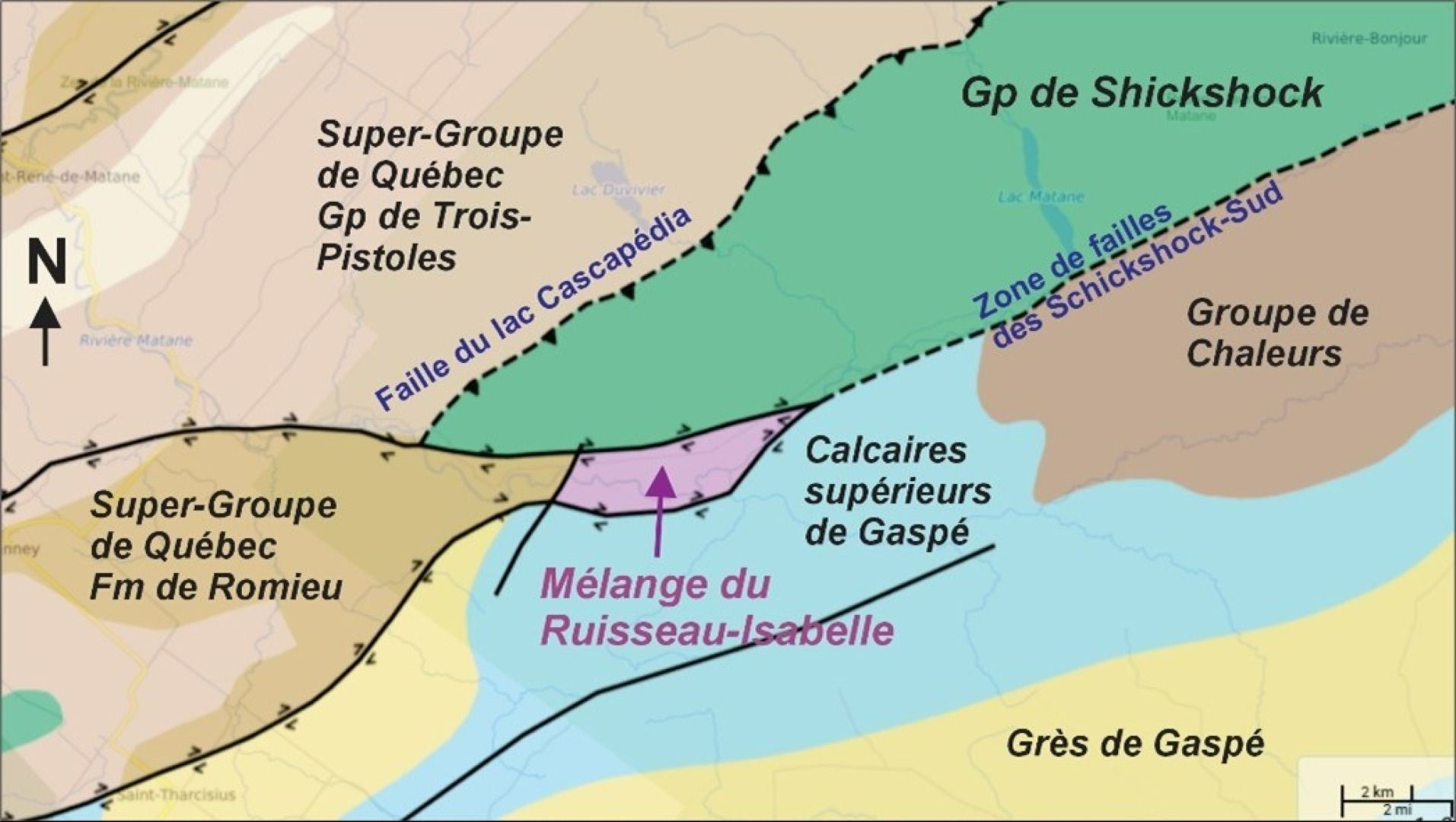
First Atlas Resources Corp. (formerly Q Precious & Battery Metals Corp.) is a Canadian exploration company advancing a portfolio of natural hydrogen and critical mineral assets, with a strategic focus on natural hydrogen opportunities in Eastern Canada. The Company holds natural hydrogen exploration licences within the Cumberland Basin region of Nova Scotia, where it is applying modern geological, geochemical and geophysical targeting methodologies, including QIMC's R2G2™ framework, across the Cobequid-Chedabucto structural corridor. The Company is also advancing its Matane natural hydrogen project in Québec.
For Further Information
First Atlas Resources Corp.
Richard Penn, President & Chief Executive Officer
Telephone: (778) 384-8923
Email: richard@firstatlasresources.com
Neither the Canadian Securities Exchange nor its Market Regulator accepts responsibility for the adequacy or accuracy of this release.
Technical Caution and Forward-Looking Statements
Hydrogen soil-gas anomalies are exploration indicators and do not establish the presence of a subsurface hydrogen reservoir, recoverable volumes or commercial viability. The seismic survey is intended to improve geological interpretation; it will not directly measure hydrogen concentration, flow rate or reservoir deliverability. Any future drilling or testing will depend on the results of the technical evaluation, applicable approvals and operational planning.
This news release contains forward-looking statements concerning the scope, timing and completion of the seismic program; expected benefits of seismic interpretation; integration of exploration datasets; future target selection and possible drill testing; and the Company's exploration plans across its expanded land position. These statements reflect current plans and assumptions, including availability of personnel and equipment, receipt of required permissions, suitable weather and ground conditions, and adequate funding. Actual outcomes may differ materially because of permitting or access delays, operational constraints, cost changes, data-quality or interpretation limitations, exploration risks and other uncertainties. Surface anomalies and geophysical interpretations may not lead to a discovery or an economically viable development. First Atlas undertakes no obligation to update forward-looking statements except as required by applicable securities laws.