FDE Advances Kansas Natural Hydrogen Exploration with 40,000-Acre Position and Drill Plans
FDE has provided an update on its natural hydrogen exploration activities in Kansas, highlighting the geological potential of the region and outlining progress on its first North American natural hydrogen project.
Natural hydrogen was first identified in Kansas during the 1980s along the Midcontinent Rift System, a major geological structure extending approximately 1,200 miles across North America. While early discoveries were not considered commercially viable at the time, decades of additional well data have since strengthened the case for a potentially significant natural hydrogen system within the region.
Kansas offers several advantages for exploration and development. In addition to favourable geology, the state benefits from extensive oil and gas infrastructure, experienced service providers, and a cost-effective operating environment developed through decades of hydrocarbon production.
The region is also home to some of North America's largest hydrogen consumers. Major fertilizer producers including Koch Fertilizer, CVR, and CF Industries operate nearby facilities that rely on hydrogen for ammonia production, while local refineries and ethanol plants are increasingly seeking low-carbon hydrogen solutions to reduce emissions and improve carbon intensity scores.
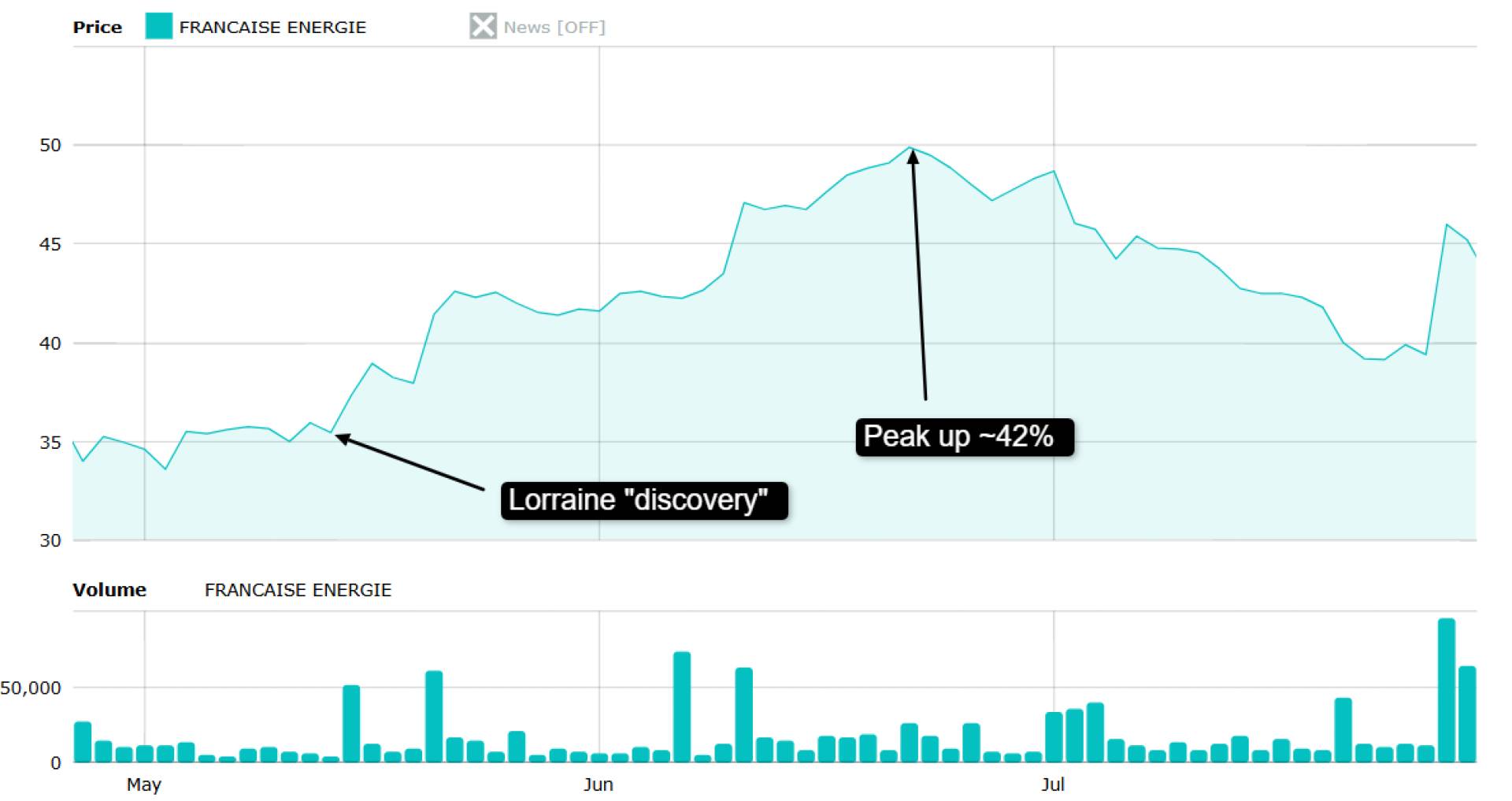
FDE selected Kansas as its first North American exploration project in part because of these existing industrial demand centres. The company intends to apply knowledge gained from its dissolved natural hydrogen discovery in Lorraine, France, while using the favourable business environment in Kansas to accelerate development of its proprietary hydrogen production technologies.
Over the past 18 months, FDE has assembled a land position of approximately 40,000 acres across multiple areas of interest in Kansas. As part of its exploration campaign, the company has completed a 3D seismic survey over the Poersch South area, strategically located along a migration pathway between a proposed hydrogen source and a previously identified dissolved hydrogen discovery.
According to FDE, interpretation of the seismic dataset has identified and ranked multiple exploration prospects. The next phase of the program will involve drilling several wells aimed at confirming the presence of a hydrogen resource and evaluating whether commercial flow rates can be achieved.
Full press release can be found here.