Eric Sprott Commits A$4 Million to Gold Hydrogen as Company Advances Modular Helium Plant in South Australia
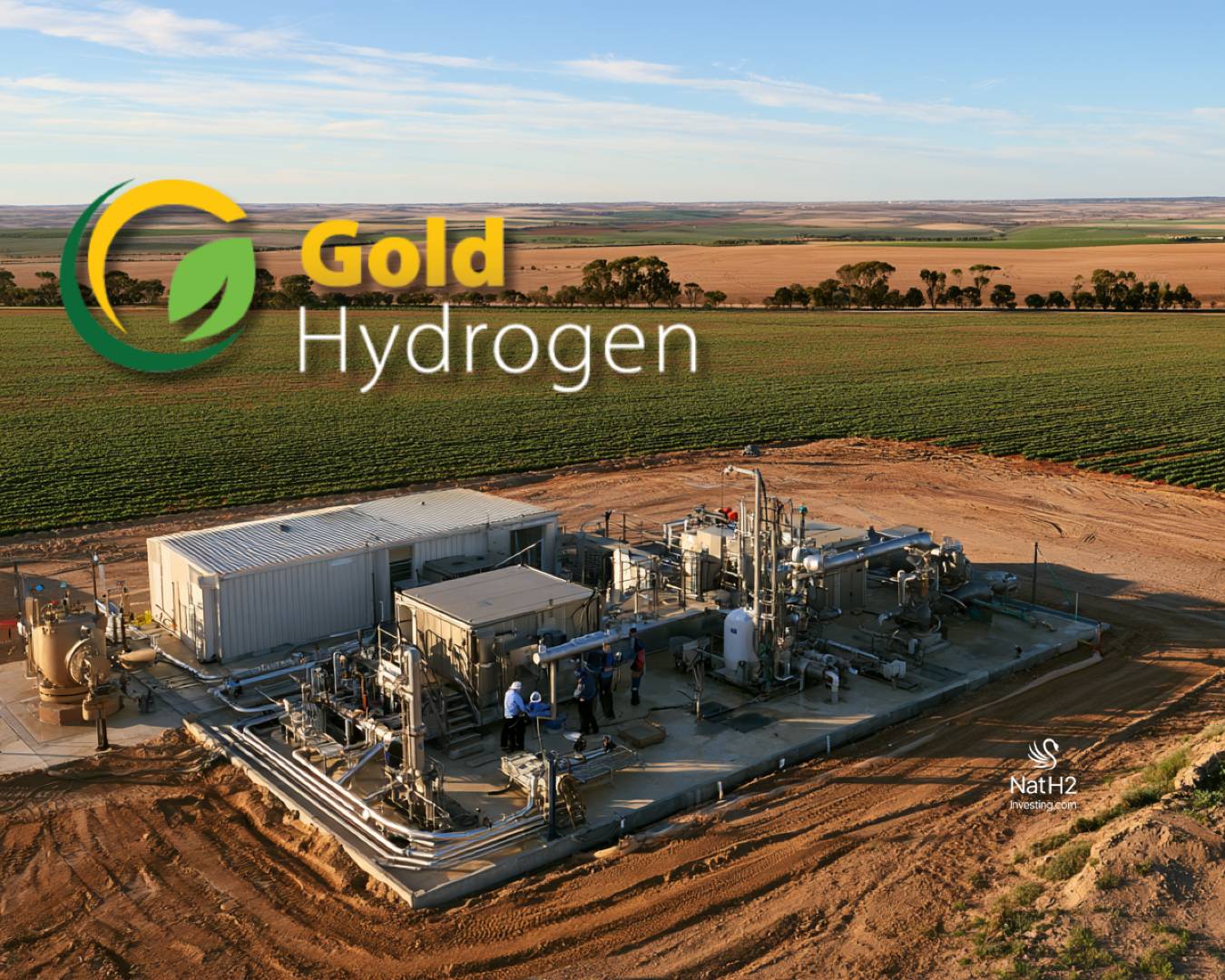
Gold Hydrogen Limited (ASX: GHY) has announced a A$7.94 million institutional placement, anchored by a A$4 million investment commitment from Canadian resources investor Eric Sprott, to support the next stage of development at its Ramsay helium and natural hydrogen project in South Australia.
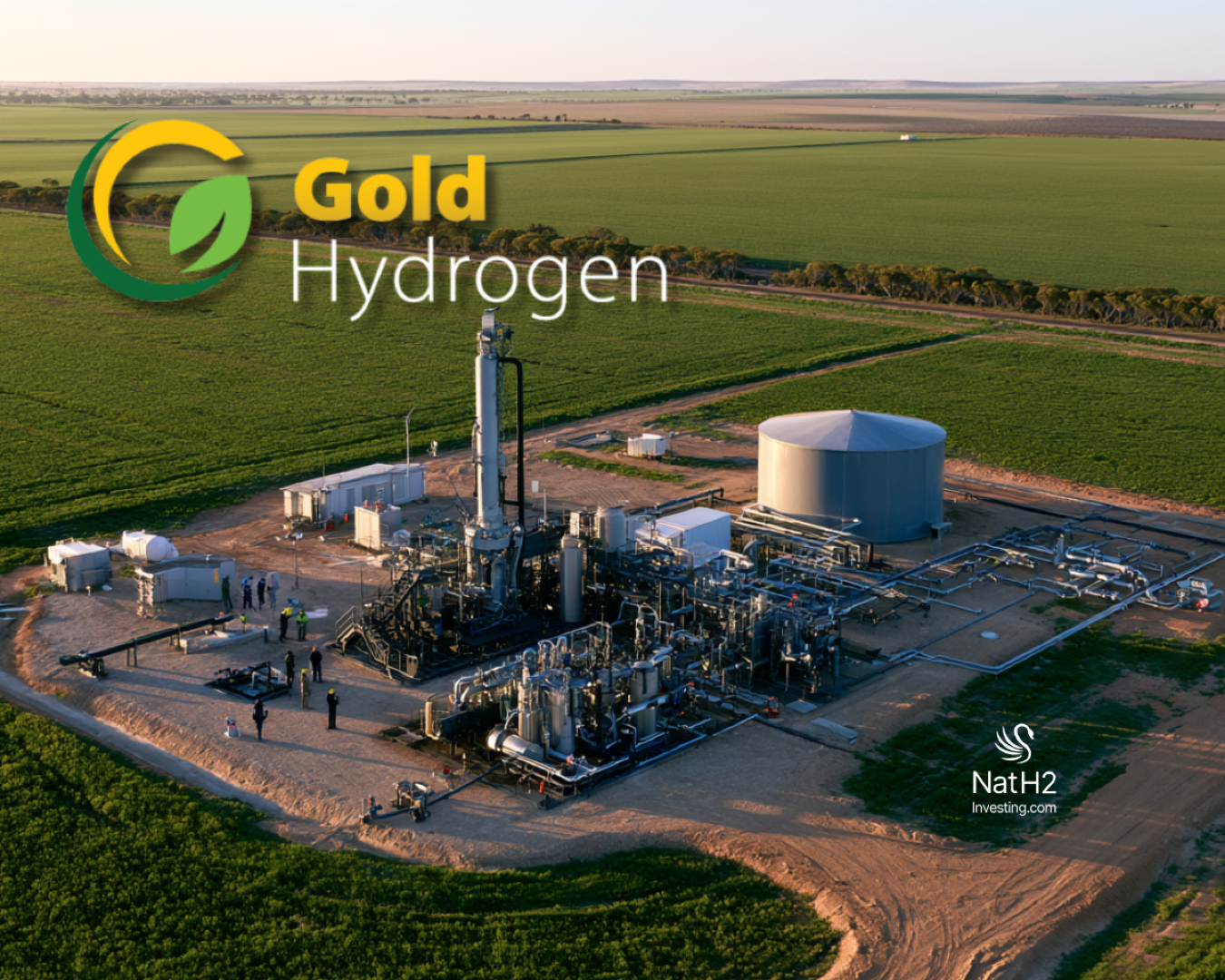
Announced on November 2, 2026, the financing is intended to help the company progress the final design and procurement of a modular helium purification facility on the Yorke Peninsula, alongside further resource assessment and development studies.
Sprott's investment will be made through 2176423 Ontario Ltd and represents approximately half of the total placement. The transaction was arranged with assistance from Morgans Corporate Limited and Canaccord Genuity (Australia) Limited.
Under the placement, Gold Hydrogen will issue 18,045,429 new shares at A$0.44 each, raising approximately A$7.94 million before costs. Participants will also receive one option for every two shares subscribed, exercisable at A$0.66 within 24 months.
If all options are exercised, the company could receive approximately A$5.95 million in additional capital. That amount is contingent on future exercise and is not part of the initial cash proceeds.
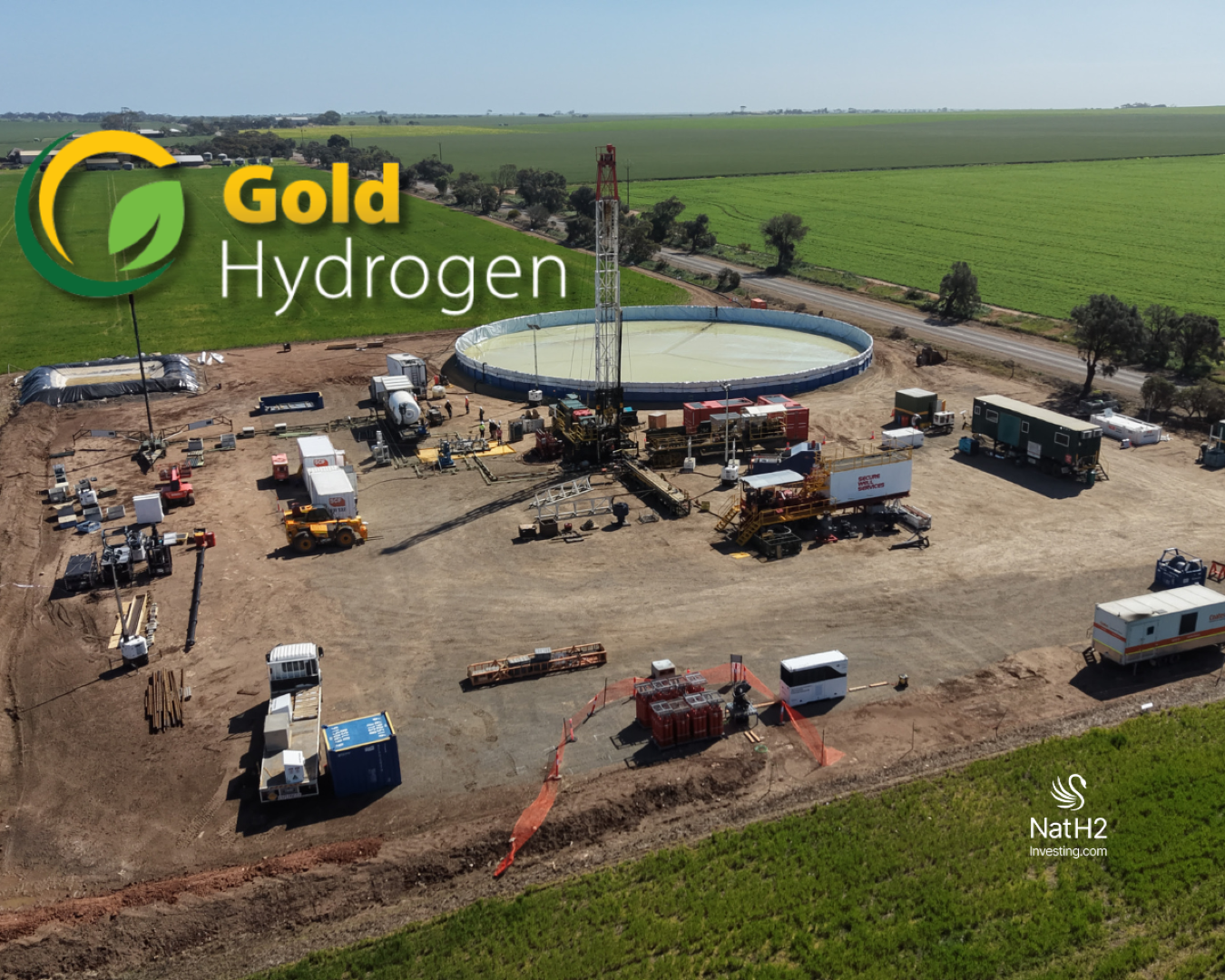
The financing follows Gold Hydrogen's 2026 appraisal program, which included helium flow testing at Ramsay 1, Ramsay 2 and Ramsay 3.
The company reported helium-bearing gas from the Kulpara Dolomite reservoir across all three wells, with sustained or stabilised air-corrected helium concentrations averaging approximately 15.2%.
Individual results included 19% helium at Ramsay 1, 20% at Ramsay 2 and a stabilised concentration of 6.5% at Ramsay 3, where samples reached up to 12.6%.
These concentrations are encouraging from a gas-quality perspective, but concentration alone does not establish commercially recoverable volumes or sustained helium production rates.
Gold Hydrogen's preliminary reservoir modelling indicates potential helium output of up to approximately 37,000 standard cubic feet per day per well. The company compares this with a roughly 27,000-cubic-foot-per-day scenario identified as potentially commercially viable in an independent Worley assessment.
Both figures are development estimates rather than demonstrated continuous production rates.
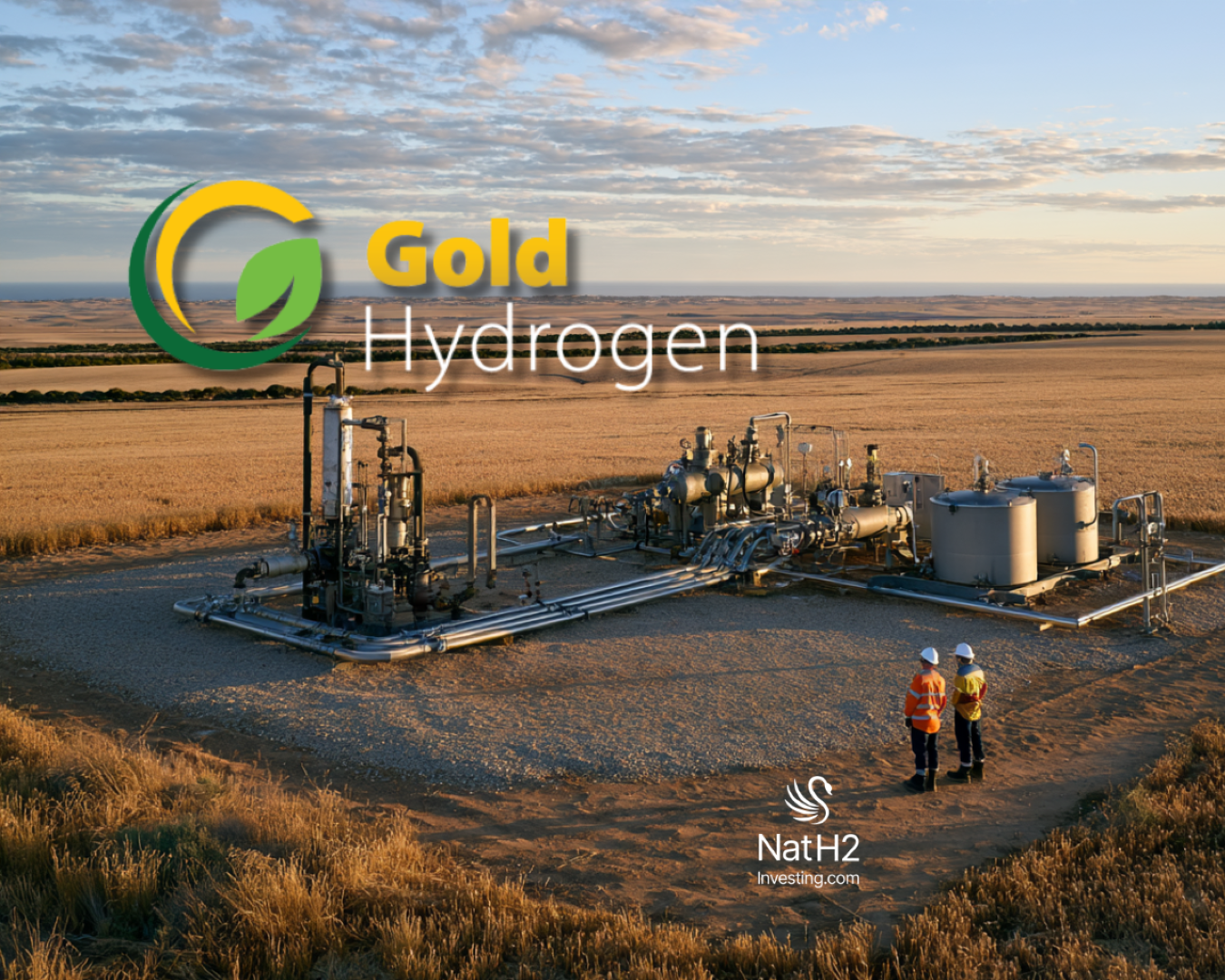
The proposed modular helium facility would use technology supplied by Canada's Quantum Technology Corporation.
Quantum's equipment was previously used during Ramsay 1 and Ramsay 2 testing to concentrate, purify and bottle helium recovered at the surface. This provides practical evidence that the purification process can handle Ramsay gas, although commercial-scale operation remains unproven.
The initial plant design incorporates gas compression, catalytic hydrogen removal, membrane separation and pressure swing adsorption.
It is designed to deliver helium at approximately 99% purity, with an optional final purification stage capable of reaching 99.999% purity, commonly described as five-nines or 5N grade.
Such a product could serve applications including analytical instruments, electronics manufacturing, leak detection and specialist industrial processes.
The initial purification train has a vendor-rated capacity of approximately 17,000 standard cubic feet of purified helium per day, equivalent to roughly 6.3 million cubic feet annually at continuous nameplate operation.
That represents approximately 5% of Australia's estimated annual helium consumption of 119 million cubic feet, rather than the country's entire demand.
The modular design could allow capacity to increase through equipment upgrades or additional processing trains, provided sufficient gas supply and investment become available.
Gold Hydrogen emphasised that these capacities are preliminary engineering design figures, not production forecasts. The vendor's budgetary design carries an estimated accuracy of plus or minus 25%.
The project is being advanced against a backdrop of growing attention to helium supply security.
Australia's Darwin helium plant ceased operating in late 2023, ending the country's established domestic production at that time. Gold Hydrogen is seeking to develop a new Australian source of the gas, which is used in semiconductor manufacturing, medical technologies, scientific research and other specialist applications.
The company also highlighted the United States Department of Energy's October 23, 2026 designation of helium as a critical material.
Gold Hydrogen is engaging with the Australian Government regarding the possibility of restoring helium to Australia's Critical Minerals List, from which it was removed in December 2023.
That policy discussion is separate from the Ramsay project's technical and commercial assessment, and no change to Australia's classification has been announced.
Although helium is the immediate focus of the proposed plant investment, Gold Hydrogen continues to investigate natural hydrogen at Ramsay.
The company has reported air-corrected hydrogen concentrations of up to 97% during drilling at Ramsay 3 and has modelled potential production approaching 100 kilograms per day from future development wells.
Those hydrogen rates have not been demonstrated through sustained production testing. The company is also evaluating the possible use of natural hydrogen as feedstock for green methanol manufacturing.
Proceeds from the institutional placement, together with other financing arrangements and additional capital, are intended to support helium plant engineering and procurement, resource evaluation, hydrogen development studies, downstream opportunities and working capital.
The placement remains subject to completion, and the company has not announced a final investment decision, construction schedule or confirmed commercial helium production date.
The significance of the financing lies in its potential to move Ramsay from appraisal testing toward detailed development preparation.
Gold Hydrogen has demonstrated helium recovery and purification using Ramsay gas, while the new investment commitment provides additional financial support for evaluating a permanent modular facility.
The next milestones will be the completion of the placement, further reservoir and resource assessment, final engineering, procurement decisions and confirmation that the proposed plant can be supplied economically at commercial operating rates.
Full press release can be found here.