China Identifies Deep Geological Source of Natural Hydrogen in Qinghai-Xizang Plateau Ophiolites
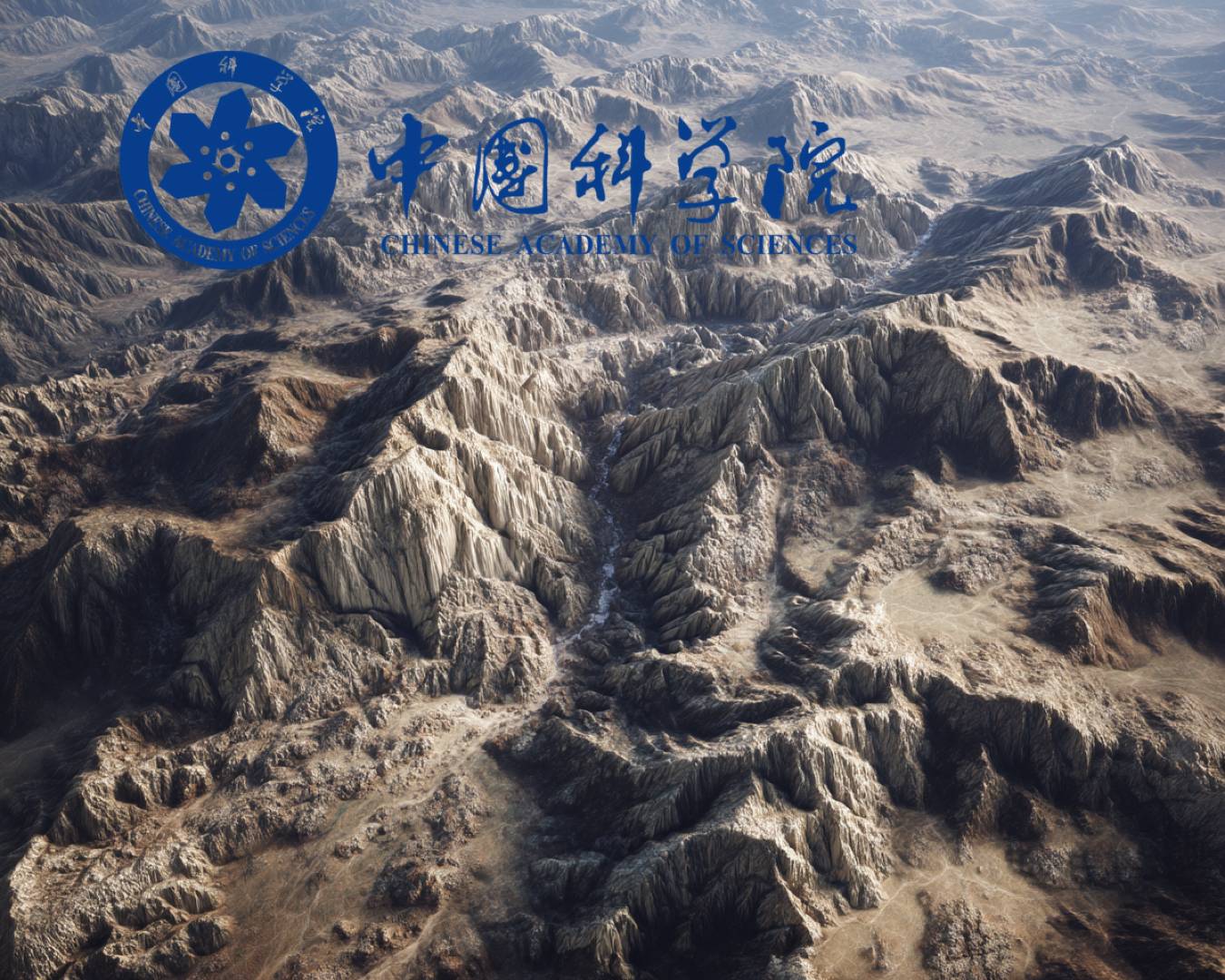
Researchers from the Chinese Academy of Sciences have reported the first direct identification of natural hydrogen preserved within microscopic mineral inclusions from ophiolites on the Qinghai-Xizang Plateau, marking a significant advance in the scientific understanding of geological hydrogen systems. The findings, published in Science Bulletin, provide the first domestic evidence in China linking deep mantle-derived hydrogen generation to surface hydrogen emissions.
Using high-precision instrumental techniques, the research team analyzed micron-scale fluid inclusions trapped within mantle-derived olivine minerals. These inclusions were found to contain both hydrogen and methane, coexisting alongside alteration minerals associated with serpentinization. The presence of these gases within sealed mineral structures provides direct evidence that serpentinization—Earth’s most important natural hydrogen-generating process—is either currently active or occurred in the geological past beneath the Qinghai-Xizang Plateau.
Beyond identifying hydrogen at depth, the researchers conducted a systematic comparison with global datasets to establish the first quantitative relationship between hydrogen compositions preserved in deep mineral inclusions and measured hydrogen fluxes observed at the surface. This work confirms that such inclusions represent primary hydrogen sources and demonstrates a complete “source-to-sink” pathway, tracing hydrogen generation in the mantle through migration and eventual near-surface accumulation.
The study highlights the extensive ophiolite complexes distributed across the Qinghai-Xizang Plateau as highly prospective targets for natural hydrogen exploration. The region’s scale, combined with its active tectonic framework, is interpreted to create favorable conditions for sustained hydrogen generation, migration, and trapping. These findings provide a new geological framework for identifying hydrogen-rich provinces and reduce uncertainty around where exploration efforts may be most effectively concentrated.
According to the researchers, the results effectively establish a new theoretical model for natural hydrogen systems, offering China a scientifically grounded pathway to evaluate hydrogen as a domestic, low-carbon energy resource.